Last updated November 22, 2026
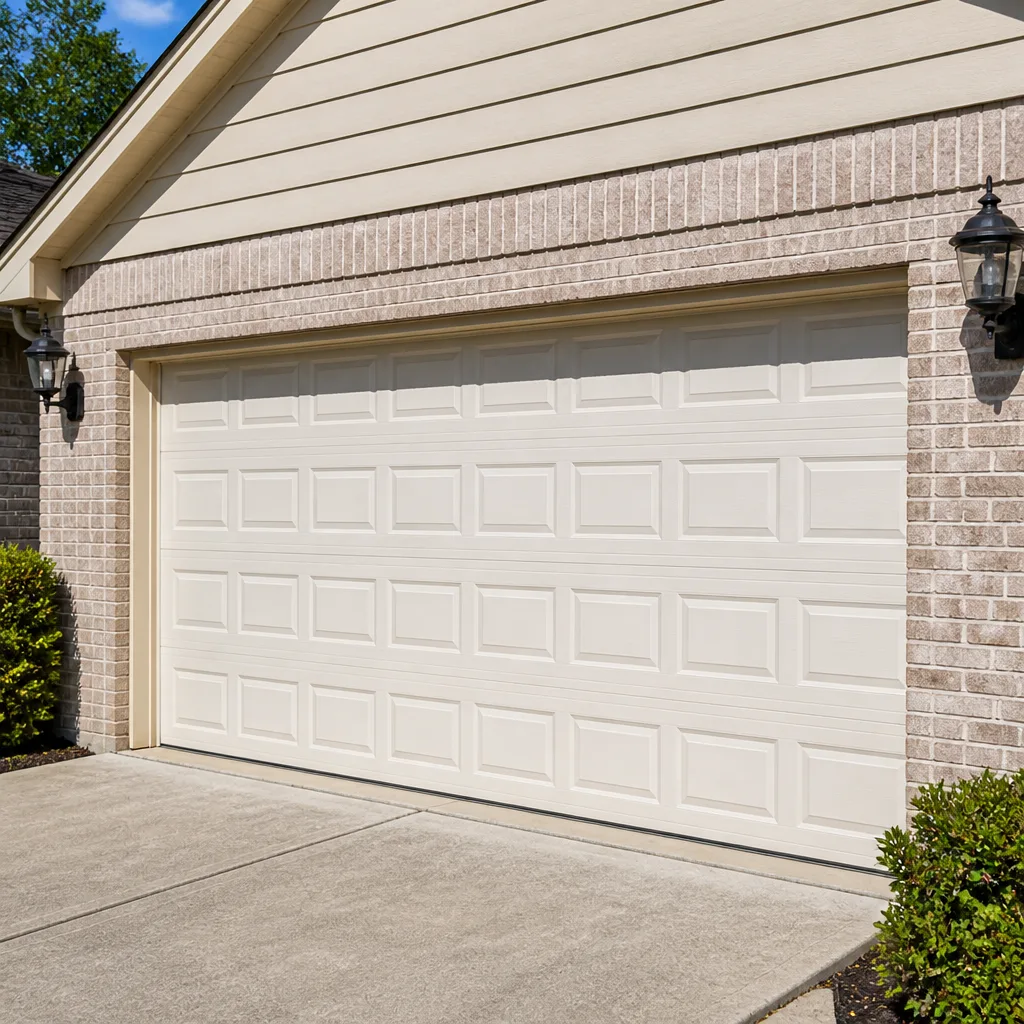 Raised-panel steel
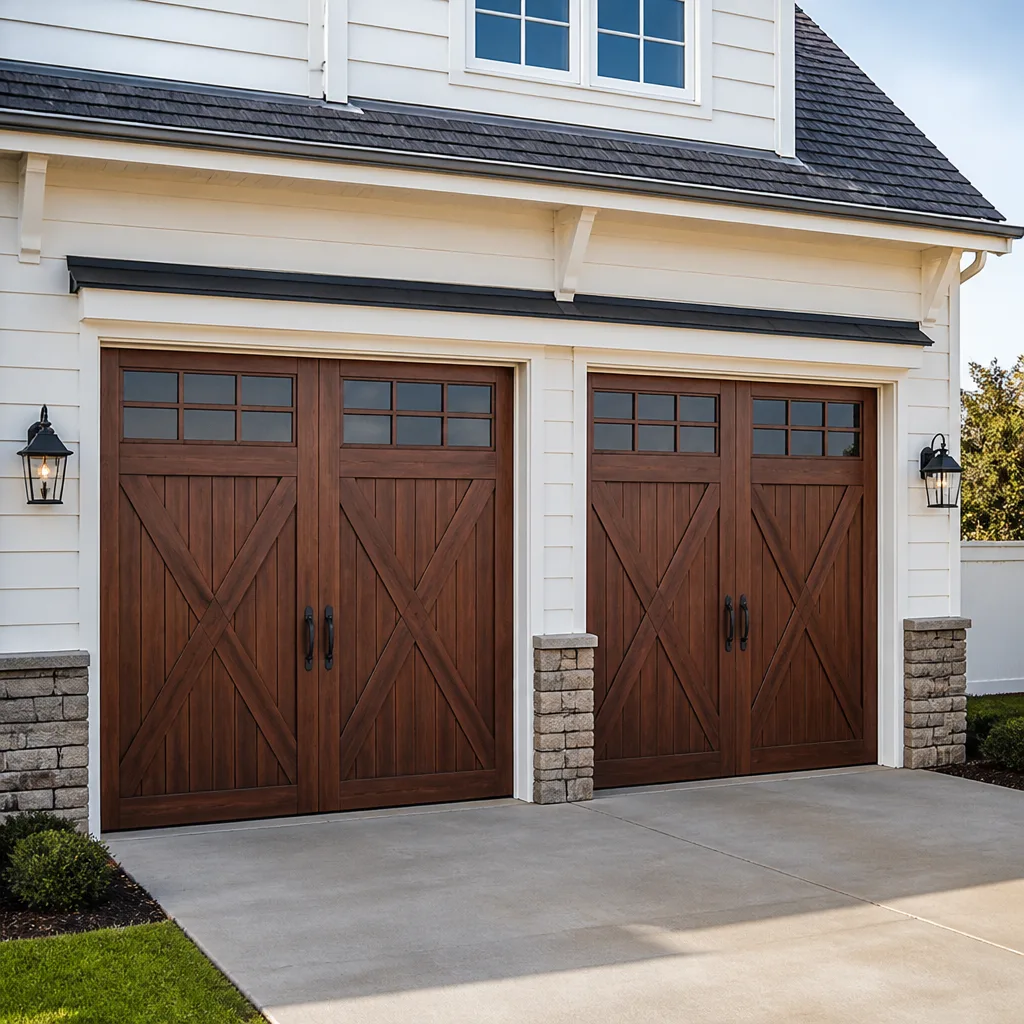 Carriage house
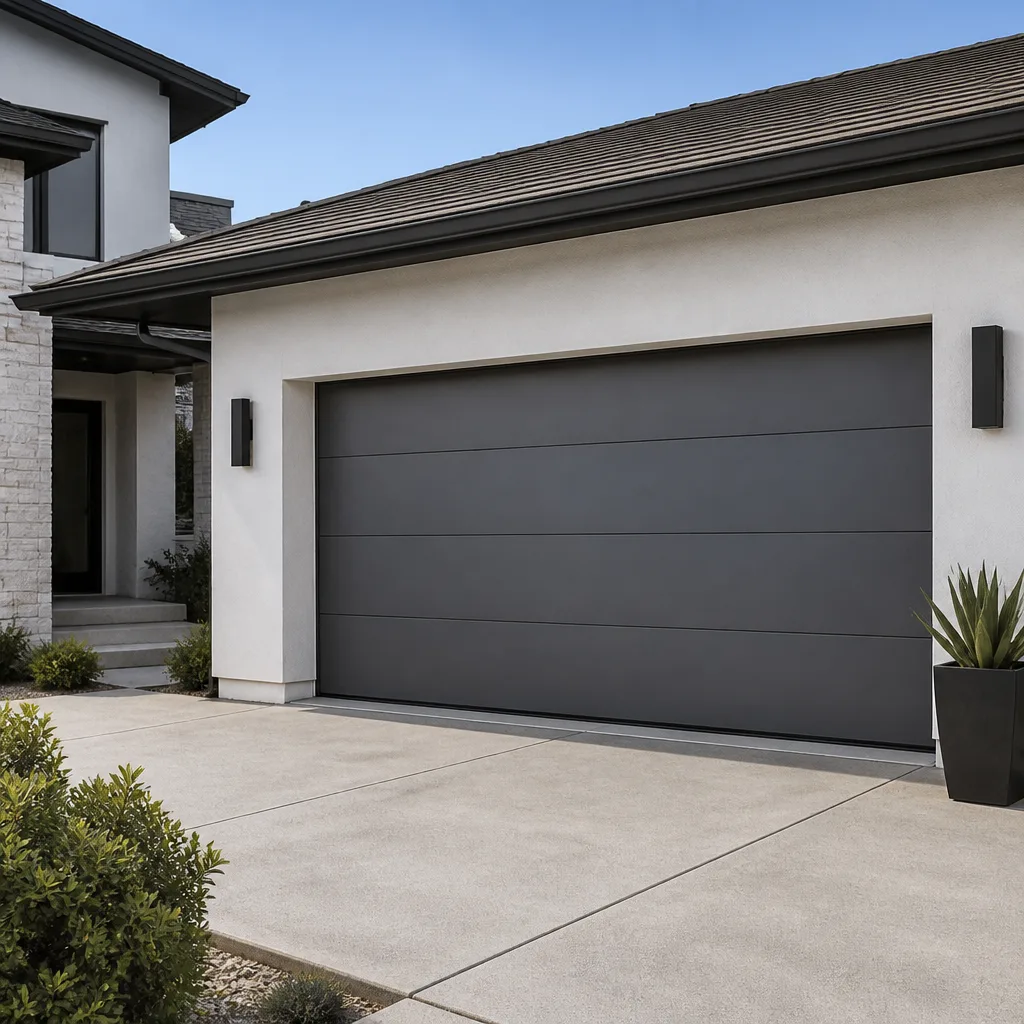 Modern flush
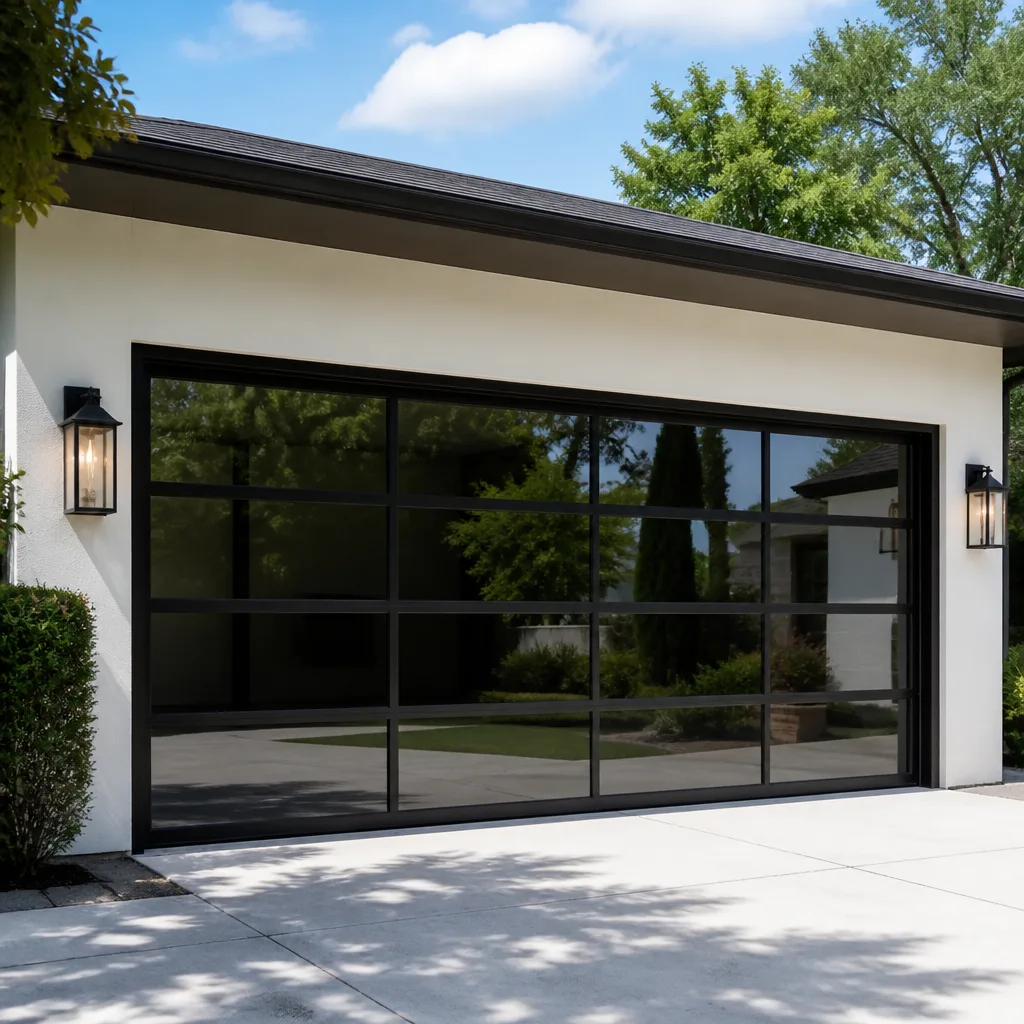 Full-view glass
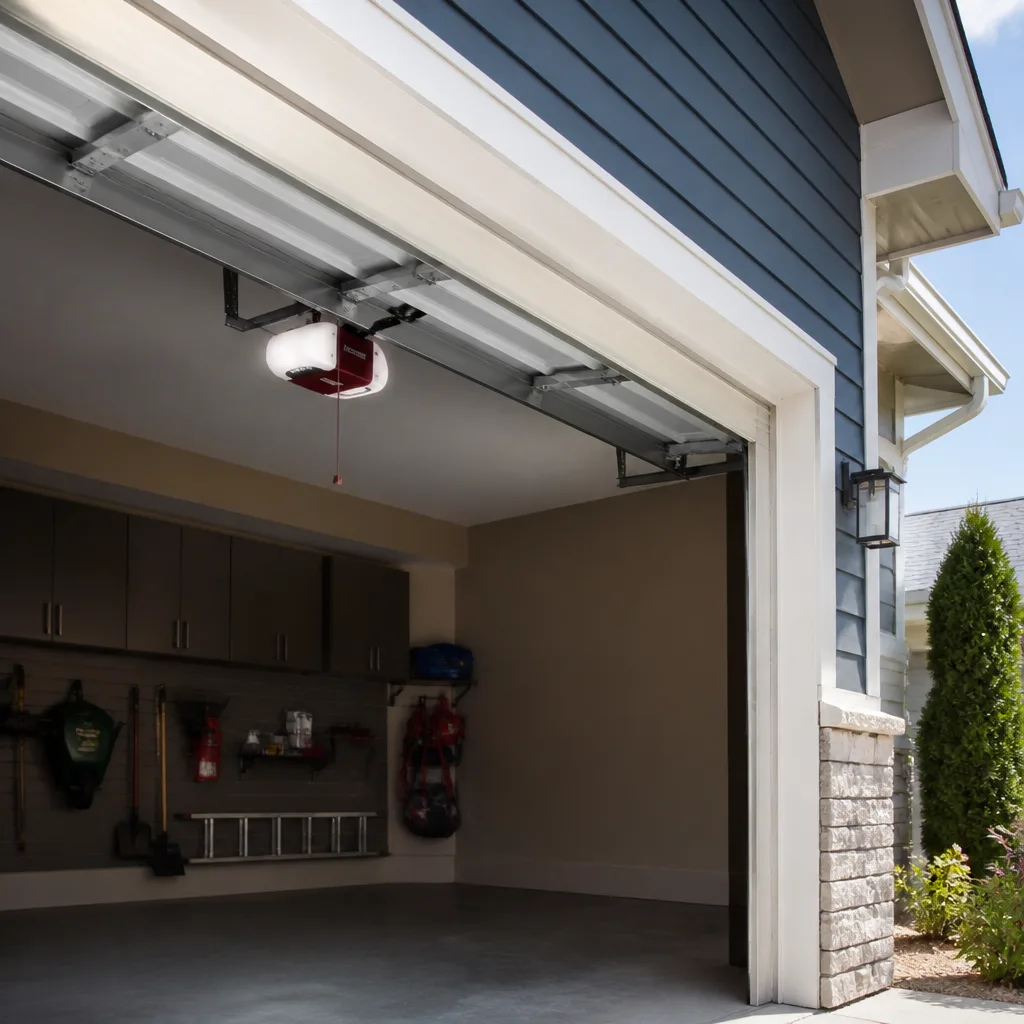 LiftMaster openers
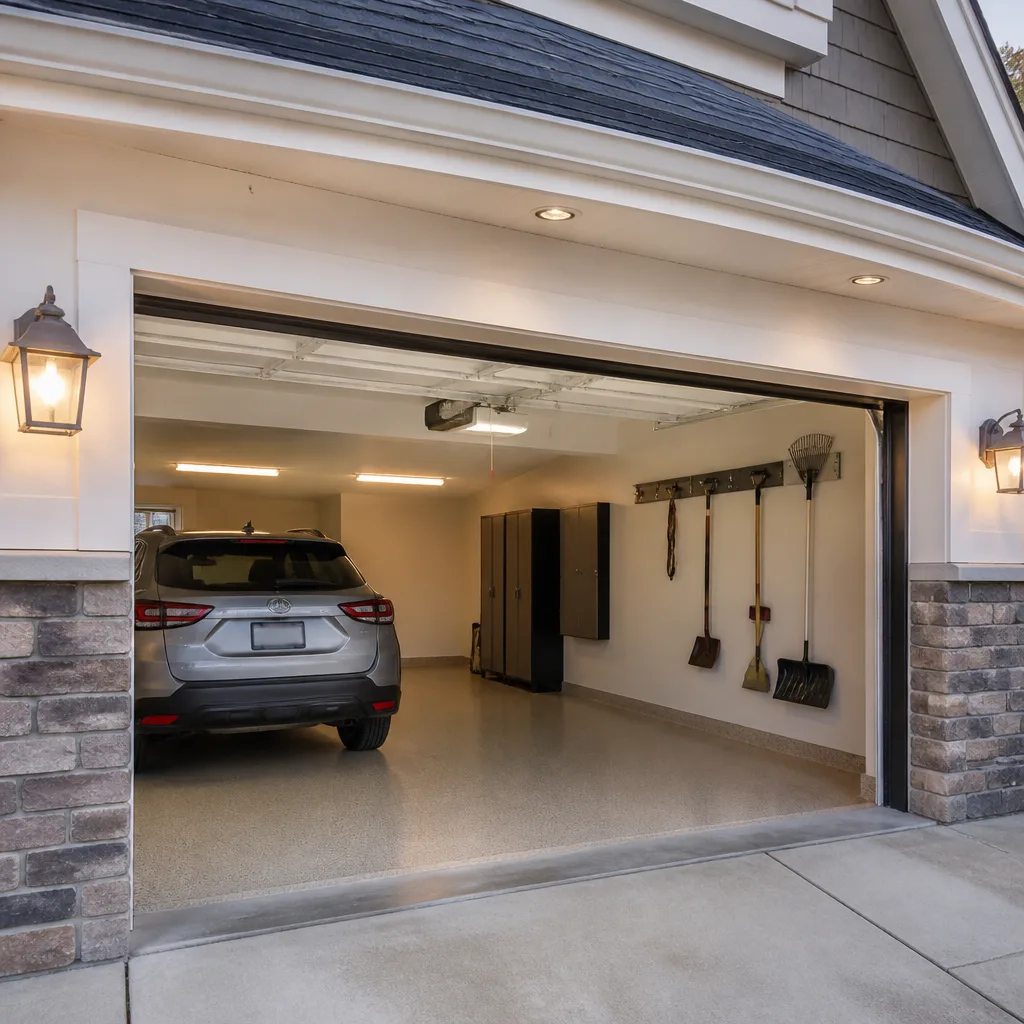 Chamberlain openers
Full 25-point door and opener safety check with every visit - springs, cables, rollers, tracks, and your LiftMaster or Chamberlain opener included
You get a price before we start. It does not change when the pro arrives.
Get your free estimateThe Complete Guide to Garage Doors in New Britain
Most garage door guides are written for a generic suburban house in a mild climate. New Britain isn’t that house. The city gets roughly 46 inches of snow in a typical winter, thousands of its homes went up before 1970, and the freeze-thaw pattern that runs along the Farmington River corridor wears out springs and bottom seals faster than a spec sheet ever predicts. Add the road salt thrown down along the Route 9 and Route 72 corridors, and you have a set of conditions that national advice simply doesn’t account for.
This guide treats New Britain’s real housing stock and real weather as the starting point. You’ll learn how older rough openings affect what door fits, why springs here fail early, which materials survive local road salt, and how to decide between repair and replacement. Along the way we’ll explain what a handyman, a manufacturer’s service arm, and an independent multi-brand specialist can each actually do for you.
Quick Answer
Garage doors in New Britain need more frequent service than the manufacturer’s cycle rating suggests because of the freeze-thaw cycle and older, non-standard openings in the city’s pre-1970 housing. Most repair work – springs, openers, panels, tracks and rollers – is straightforward for a specialist and can often be quoted before any work begins. Full replacements need a proper measure first, because door sizes on New Britain’s older homes frequently don’t match today’s standard catalog dimensions.
Styles & brands we work with
- Raised-panel steel
- Carriage house
- Modern flush
- Full-view glass
- LiftMaster openers
- Chamberlain openers
Table of Contents
- How New Britain’s Older Housing Stock Changes Everything
- The Freeze-Thaw Cycle and Why Springs Fail Early Here
- Handyman, Manufacturer Arm, or Multi-Brand Specialist?
- Door Materials That Survive New Britain’s Road Salt
- Repair or Replace? A Decision Map
- Openers, Smart Controls, and Legacy Systems
- What Garage Door Work Costs in New Britain
- A Seasonal Maintenance Calendar for New Britain
How New Britain’s Older Housing Stock Changes Everything
If your garage is attached to a triple-decker, a postwar ranch, or a two-car colonial built before 1970, there’s a good chance the rough opening isn’t a round number. Builders working on tight lots in these neighborhoods didn’t always frame to the inch, and the doors that went in were often sized to fit the opening that existed, not the other way around. A “standard” 16×7 sectional door may not slide into a garage that measures 15 feet 10 inches across the pins, or one where the header sits a couple inches lower than a modern catalog expects.
This matters for three reasons:
- Door selection: A replacement door has to be measured to your actual opening, not ordered from a generic size chart. Brands like Clopay and Amarr build standard sizes, but getting one to fit an odd opening sometimes means custom sizing or a track adjustment.
- Track geometry: Older garages often have low headroom or a shallow backroom. Track and torsion hardware must be laid out to clear the ceiling and the door’s travel path, which is where a specialist’s measurement work pays off.
- Structural settling: Houses of this era have settled. A header that was level when it was framed may sag a little now, and that changes how a new door hangs and seals.
What this means for you is simple: don’t buy a door sight unseen from a big-box listing and expect it to fit. Get an on-site measure first. That’s why we take measurements before quoting an installation in New Britain rather than working from photos. The written estimate you receive should reflect the door that actually fits your building, and that price should be agreed before any work starts.
If you need a repair rather than a full replacement, our garage door repair team regularly adjusts tracks and rollers to fit the dimensions older homes actually have.
The Freeze-Thaw Cycle and Why Springs Fail Early Here
A torsion spring’s life is usually described in cycles – one cycle is one open, one close. A manufacturer might rate a spring at 10,000 cycles. What that rating doesn’t tell you is what happens to the steel when the temperature swings from the teens to the forties and back within a few days, which is an ordinary winter week in New Britain.
Freeze-thaw cycling works on springs in a few ways. Metal expands and contracts as temperatures move, and repeated cycling between freezing nights and milder days introduces a small amount of stress each time. The line between the cold, dry air and the moisture from melting snow along the Farmington River corridor doesn’t help. Torsion springs carry the entire weight of the door, and a spring that’s been through a few hundred freeze-thaw seasons reaches its fatigue point earlier than the cycle count alone suggests.
Here’s the safety part, and it’s the one that matters most:
- Torsion springs are under extreme tension. They can release stored energy suddenly and without warning when handled. We recommend that no one – not a homeowner, not a handyman – attempt to adjust, remove, or replace a torsion spring without proper training and tools.
- A snapping sound from overhead is a red flag. If you hear a loud crack and the door becomes too heavy to lift, a spring has likely failed. Stop pulling on it.
- Never try to “help” a door with a broken spring open. The door’s full weight is now on the cables and hardware, which are not designed to hold it alone.
Our garage door spring repair service exists because this is the highest-risk repair in the trade and deserves a specialist, not a generalist with a wrench. A matched pair of springs is usually replaced together, since they’ve lived through the same cycles. If your door has one broken spring, the other is typically close behind it, so we quote them as a pair as a rule.
Handyman, Manufacturer Arm, or Multi-Brand Specialist?
When something goes wrong, three kinds of help are available, and they differ in what they can realistically do. Knowing the difference saves time and keeps you from paying twice.
- The general handyman. Good for a loose handle or a misaligned roller. Limited on spring work, opener diagnostics, and track geometry, and often without the brand-specific parts your door actually needs. If the fix requires a specific Genie or Wayne Dalton component, a generalist may end up improvising.
- The manufacturer’s service arm. Staffed to support their own product line and best on that line. If your door is a Clopay and the opener is a LiftMaster, a single-brand operation may only handle half your problem and refer you out for the other half.
- The independent multi-brand specialist. Works on whatever is already installed, with no bias toward selling you a particular brand. We’re set up to service and repair LiftMaster, Chamberlain, Genie, Clopay, Amarr, Wayne Dalton, Craftsman, and Raynor products, which means we can diagnose a matching problem without steering you toward the brand we’d rather sell you.
There’s another difference worth naming. A specialist works on garage doors and openers as their full-time trade. That’s all we do – no plumbing, no HVAC, no general handyman work. When a technician’s entire week is spent on springs, cables, panels, and openers, they see failure patterns faster than someone who touches a door a few times a year.
For a brand-agnostic repair, start with garage door opener repair or reach the team through New Britain Garage Door Repair Co.
Door Materials That Survive New Britain’s Road Salt
The road salt used along the Route 9 and Route 72 corridors ends up in the air and on the ground, and it lands on your garage door. Steel doors are the most common choice, and they hold up well when the finish is intact. Once the paint chips or a panel edge gets nicked, though, salt and moisture start working on the steel underneath. A scratched lower panel on the road side of a house near a busy street corrodes faster than the same scratch on a sheltered door.
Here’s how the main materials compare for New Britain conditions:
- Steel: Excellent strength and value. Needs its finish maintained; touch up nicks and wash the door regularly through the salt season to slow corrosion.
- Aluminum: Rust-resistant and light. Good for humid or salt-exposed settings, but it dents more easily than steel.
- Wood and wood-composite: Common on older New Britain homes and beautiful when kept up. Requires repainting or resealing on a schedule that a painted steel door doesn’t.
- Fiberglass and vinyl: Low maintenance and immune to rust. Withstands the freeze-thaw cycle without warping, though it can become brittle in sustained cold.
Whatever material you’re considering, factor in maintenance, not just the sticker. A wood door that needs a repaint every few years may cost more over time than a painted steel door that only needs a wash. The bottom seal matters too – a good bottom seal is what keeps meltwater and salt spray from creeping under the door, and in New Britain’s freeze-thaw zone, seals can wear out in two seasons. If you see daylight or feel a draft under the door, the seal is due.
Repair or Replace? A Decision Map
The repair-first instinct is usually right. A door is a big piece of hardware, and most problems live in one component – a spring, an opener, a panel, a roller. But there comes a point where repair costs approach the price of a new door and the old one keeps failing. Here’s how to think it through.
Leaning toward repair:
- The door is otherwise sound and the problem is isolated – one spring set, one opener, one damaged panel.
- Hardware is intact and the panels are aligned and straight.
- The door isn’t a decade past its expected service life.
Leaning toward replacement:
- Multiple panels are rusted through or dented, especially along a salt-exposed face.
- Repeated spring failures or opener trouble within a short span, pointing to a door carrying weight it wasn’t designed for.
- You’re preparing to sell and the door is a visible weak point. A garage door is one of the first things a buyer sees pulling in, and a clean, working door helps the house show well in New Britain’s resale market.
- The door is dangerously out of balance or the tracks are bent beyond safe adjustment.
When replacement makes sense, the process runs in a fixed order. Request a measure and a written price, confirm the door style and material, and schedule the install once the door arrives. This is a measured, scheduled job, not a same-day fix. If a repair is what will get you moving today, we’re glad to look at it and tell you honestly when a repair stops being the sensible choice.
Openers, Smart Controls, and Legacy Systems
New Britain’s garages span the full range of opener technology. Older homes often still have a legacy chain or belt drive, while newer renovations and added garages tend to carry a smart or Wi-Fi-connected unit. We repair both worlds, working on LiftMaster, Chamberlain, and Genie among others, and we’ve watched enough openers to recognize when the problem is the opener versus the door itself.
Common opener problems in this climate:
- Cold-weather strain: A door that seals too tightly against a frozen bottom seal can stall an older opener. The fix is usually the door’s balance and seal, not the opener.
- Sensor misalignment: Safety sensors knocked out of line by a minor bump or by snow piled up at the opening. A quick check is worth doing before calling.
- Worn gears and stripped drives: Common on aging units; the motor runs and nothing moves. Those openers are usually past repair.
- Smart-home connectivity: A connected opener that loses Wi-Fi is a software or router problem more often than a hardware failure. Recovery steps vary by brand and model.
If the door moves smoothly by hand but the opener stumbles, the issue is probably in the opener. If the door is hard to lift by hand, the issue is in the door – springs, rollers, or balance. Knowing which one you’re dealing with keeps you from paying for the wrong repair.
What Garage Door Work Costs in New Britain
Pricing depends on the door, the brand, and the part. We quote each job with a free measure or on-site look so the written estimate reflects your opening and hardware, not a guess. Here are typical estimated ranges to expect for common work in New Britain – your written estimate sets the final price, and the price is agreed before any work starts.
- Single torsion spring replacement: $180-$340. A matched pair is usually replaced together, so a pair runs about twice that.
- Opener repair: varies with the fault – from a simple sensor or gear fix up to a full unit replacement. We diagnose before quoting.
- Panel replacement or section repair: depends on brand and door style. Clopay and Amarr panels are ordered to match; expect a scheduled job, not a same-day one.
- Full door replacement: quoted after an on-site measure, because older New Britain openings often don’t match standard sizes.
- Emergency service: quoted as normal repair, with the same free-estimate approach; we respond when a door won’t close, won’t open, or poses a safety risk.
Two things are worth stating plainly. First, estimates are always free. Second, the number on your written estimate is what you owe – not a number that gets rewritten after the work begins. If the situation changes once we’re on site, we’ll tell you before we continue and get your agreement on anything that differs. Call (833) 468-5774 for an exact quote.
A Seasonal Maintenance Calendar for New Britain
A little routine upkeep goes a long way against the freeze-thaw cycle. Here’s a reasonable schedule to keep the door ready through the New Britain year.
- Spring: After the thaw, inspect the bottom seal for cracks and gaps. Check that the door opens and closes fully without binding, and test the opener’s safety reverse.
- Summer: Wash the door, especially along salt-exposed faces, and touch up any paint nicks before corrosion starts. Lubricate the rollers, hinges, and tracks with a proper door lubricant – not grease that traps grit.
- Fall: This is the important one. Before the first hard freeze, have the door balanced and the springs checked. A door that’s balanced and sealed now is far less likely to stall with an opener on a cold morning. Replace a worn bottom seal now so meltwater stays outside.
- Winter: Keep snow and ice away from the bottom of the door and the sensors. Don’t force a door that’s frozen to the ground – breaking it free can damage the panels and the opener.
You don’t have to do everything yourself. If something feels off – a door that won’t balance, a grinding opener, a spring that’s lost tension – a quick check from a specialist costs nothing and prevents the surprise breakdown.
Common Mistakes to Avoid
- Ordering a door without measuring. New Britain’s older homes often have non-standard openings. Measure first or the door won’t fit.
- Ignoring a scratched panel near a busy road. Road salt on the Route 9 and 72 corridors accelerates corrosion on any exposed steel edge. Touch up nicks before winter.
- Trying to fix a torsion spring yourself. This is the one mistake that can cause serious injury. Leave springs to a trained technician.
- Replacing one spring instead of a matched pair. Both springs have lived through the same cycles, so the survivor is usually close behind. Replace them as a pair.
- Assuming an opener fault is the opener. A door that’s out of balance or dragging on a frozen seal makes a good opener look broken. Check the door first.
- Letting the bottom seal go through a full winter untouched. In a freeze-thaw zone, a worn seal lets meltwater in and can damage panels and tracks.
- Calling a general handyman for a spring or opener fault. A multi-brand specialist has the right parts and the right training for the brand you own.
See the difference
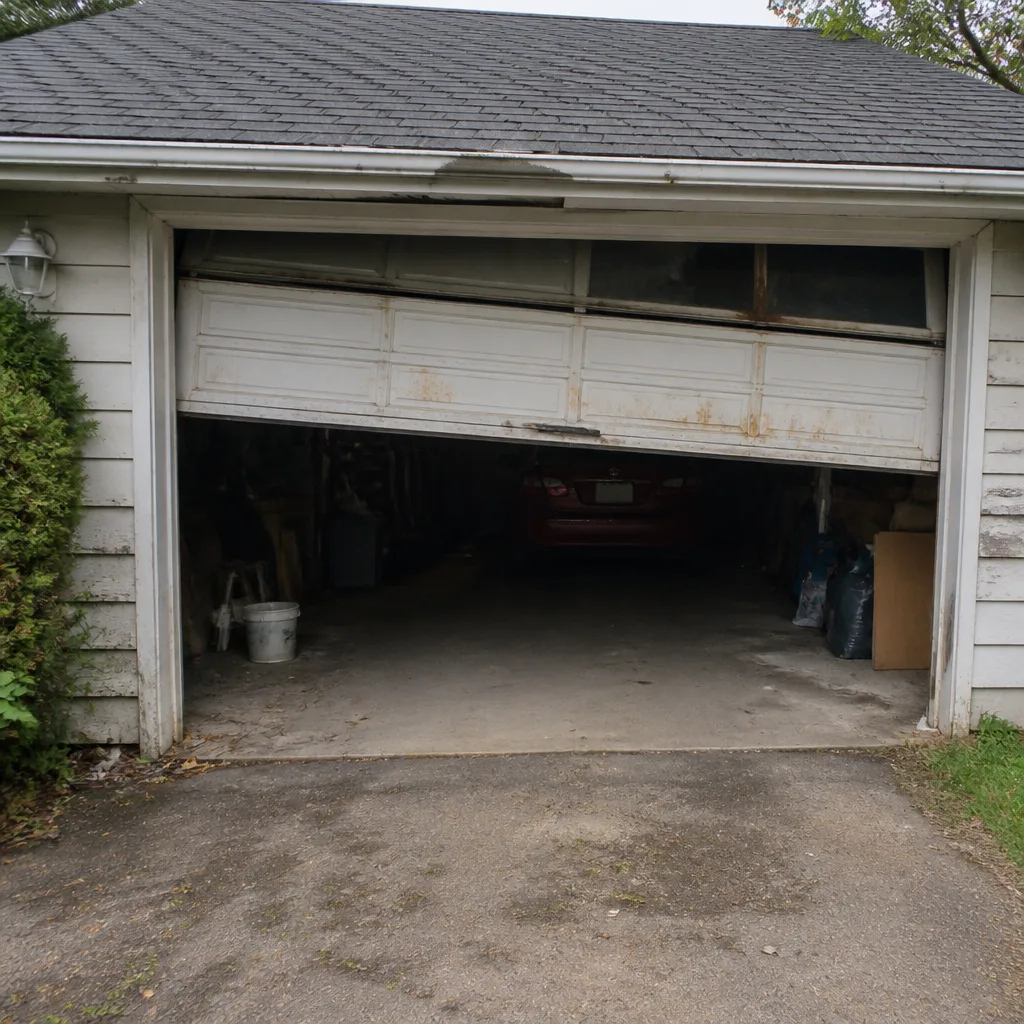 Before
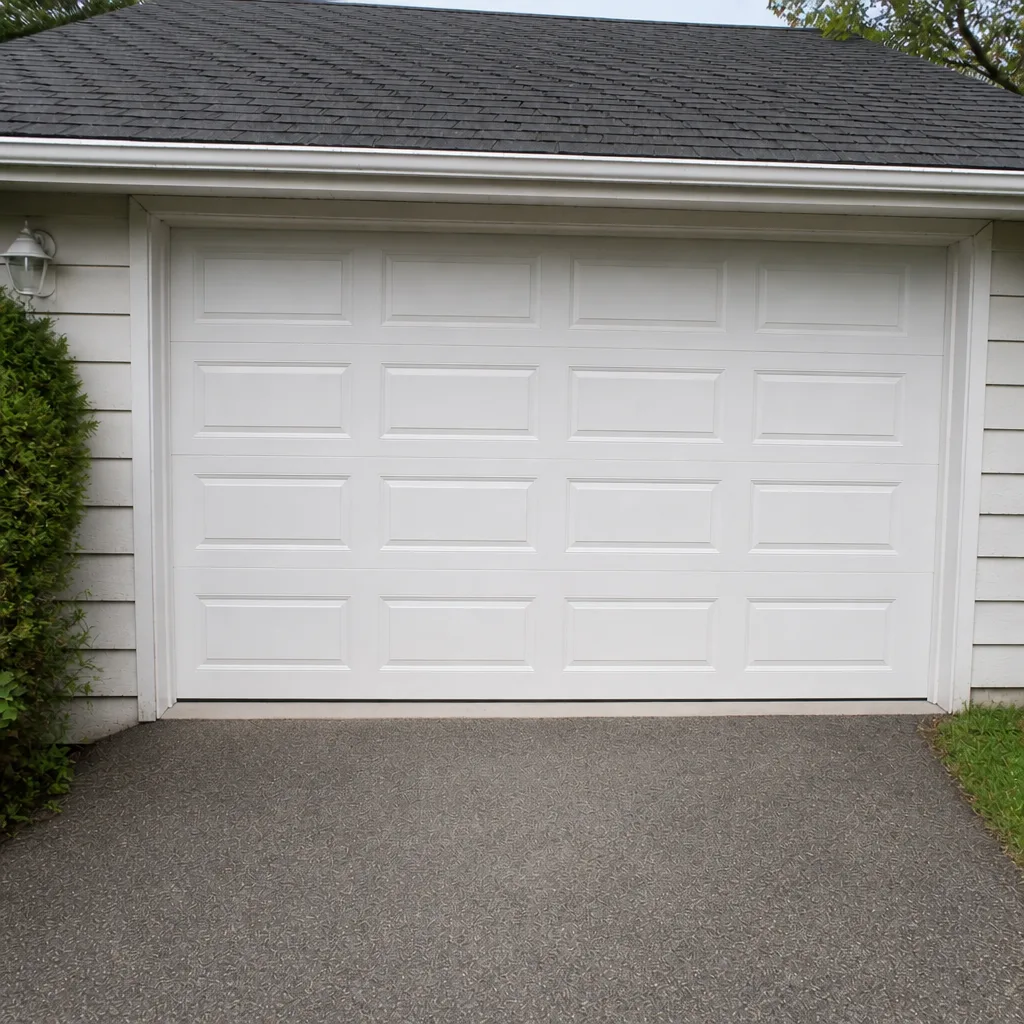 After
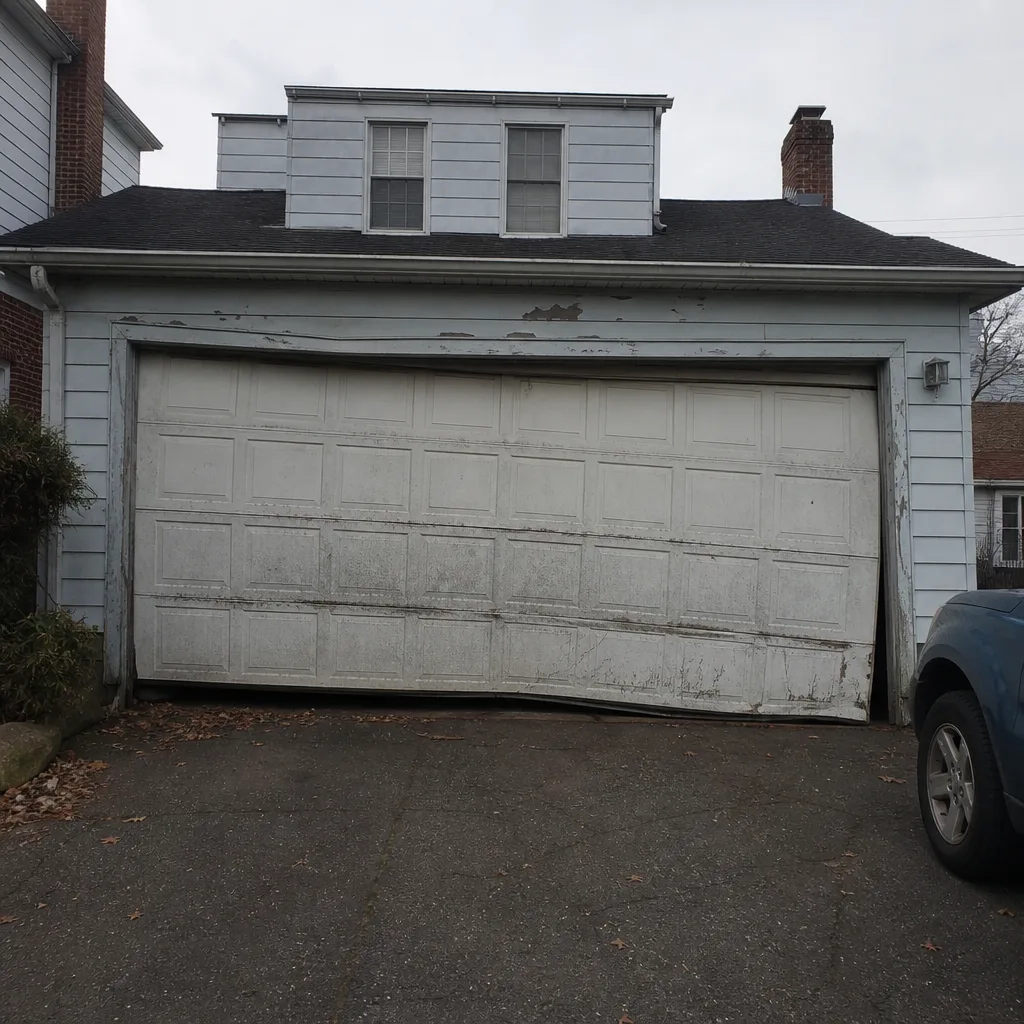 Before
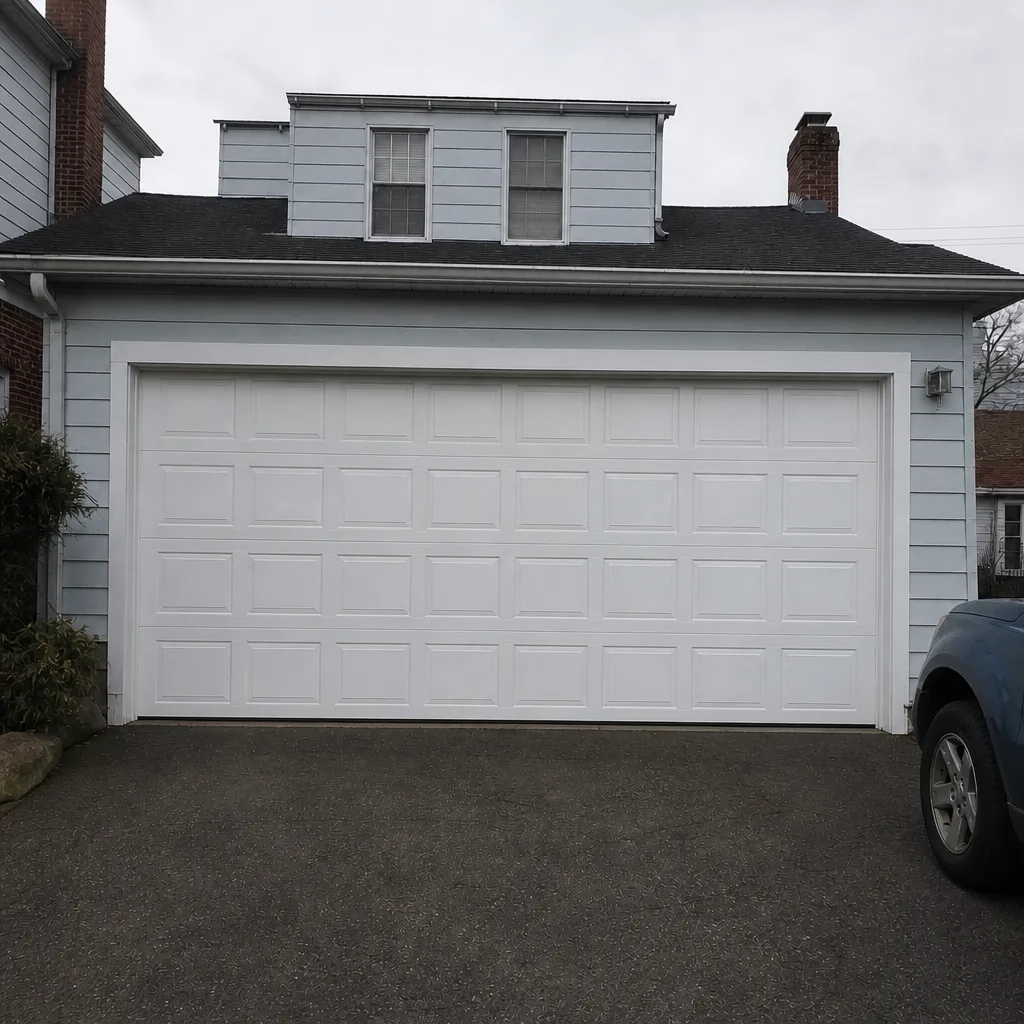 After
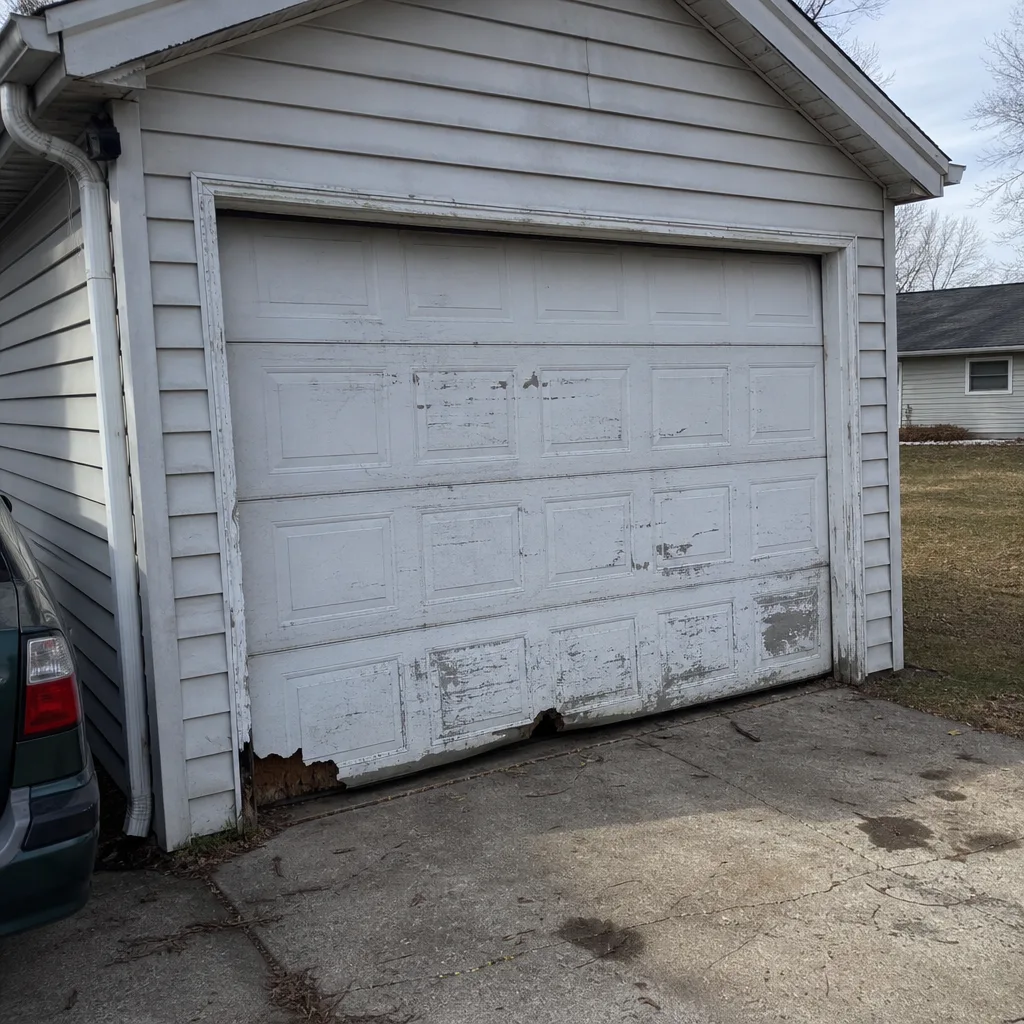 Before
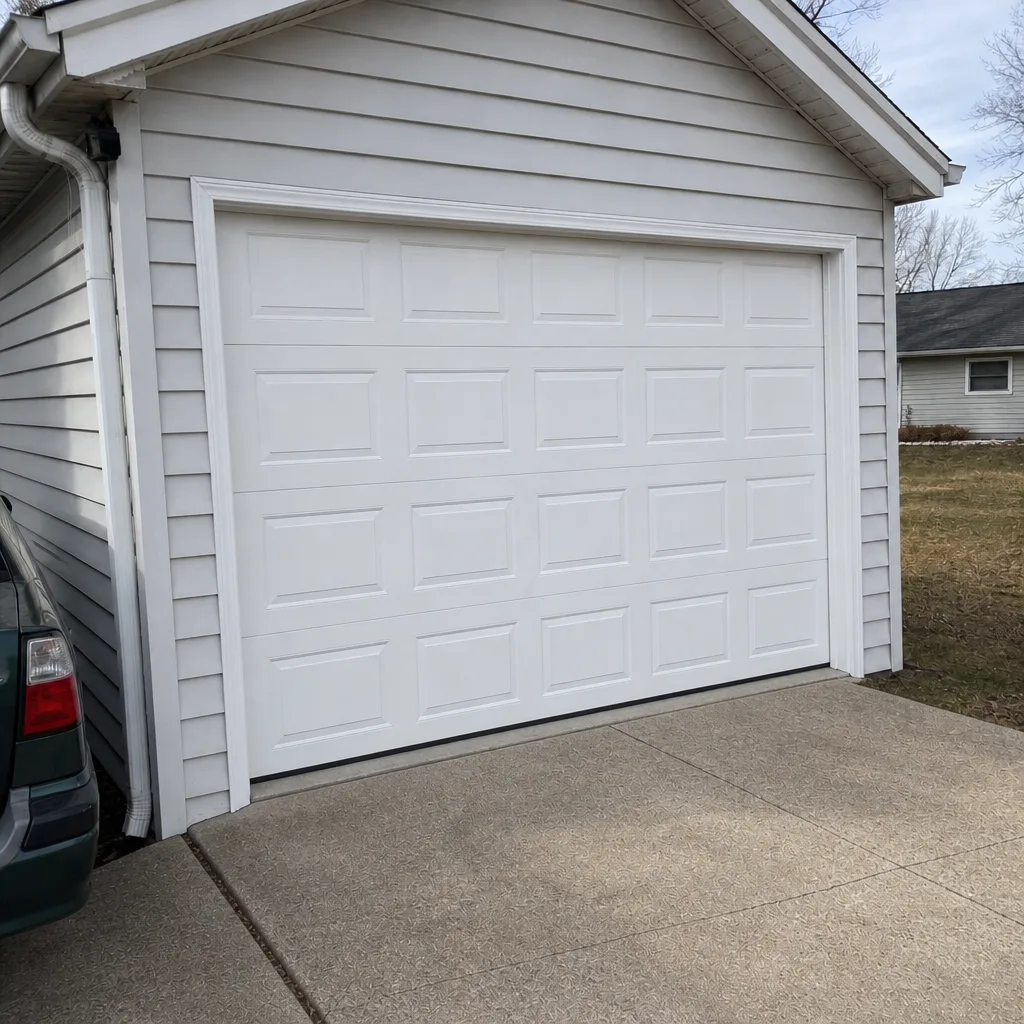 After
When to Call a Professional
Call a professional when a spring breaks, when the door won’t open or close, when the opener runs but the door doesn’t move, when the door is visibly off its tracks, or when a panel is bent badly enough that the door binds. Those are jobs where the wrong fix can make the door unsafe. Call sooner if a door poses a safety risk – a door hanging open on one side or one that won’t close at all. New Britain Garage Door Repair Co offers free estimates in New Britain – call (833) 468-5774. We respond to emergency calls when a door can’t wait, and our technicians have up to 14 years of experience across the major brands.
Frequently Asked Questions
Single torsion spring replacement typically runs $180-$340, and because springs are usually replaced in a matched pair, a pair runs about twice that. Your written estimate sets the final price. Call (833) 468-5774 for an exact quote – estimates are free.
The freeze-thaw cycle works the spring metal through repeated temperature swings, adding stress beyond the manufacturer’s cycle rating. Highcycle use on older, heavier New Britain doors adds up too. If one spring breaks, plan on the pair.
For a repair or emergency – a door that won’t open or close, or a safety concern – we can often get to it quickly. Emergency calls are what we’re set up for when a door can’t wait. Call (833) 468-5774 and we’ll tell you what’s possible.
We service and repair LiftMaster, Chamberlain, Genie, Clopay, Amarr, Wayne Dalton, Craftsman, and Raynor products. That means we work on the door and opener you already have rather than steering you to one brand.
Repair usually wins when one component has failed and the panels are straight and sound. Replacement makes more sense when panels are rusted through, failures keep recurring, or the door is failing and you’re preparing to sell. A free estimate tells you which way the numbers point.
We work with local professionals who are licensed and insured as their state requires. Our technicians have up to 14 years of experience in the trade. Call (833) 468-5774 with any questions about how we work.
Most cities require a permit for some kinds of structural or electrical work around a garage. Ask the city’s building department about your specific case before you schedule an install. We’ll measure and quote the door; the permit question is best answered by the city directly.
The Bottom Line
New Britain isn’t a generic garage-door market. The older housing stock means openings don’t come in standard sizes, the freeze-thaw cycle along the Farmington River corridor ages springs faster than a spec sheet suggests, and road salt from the Route 9 and 72 corridors puts real pressure on door finishes. The practical answer is to measure before you buy, keep an eye on the bottom seal through the winter, leave spring work to a specialist, and get a written price agreed before any work starts. We work on your brand, repair before we replace, and treat every job with the specialist focus a single-trade garage door company brings. Call (833) 468-5774 for a free estimate.
Written by the team at New Britain Garage Door Repair Co.