Last updated November 22, 2026
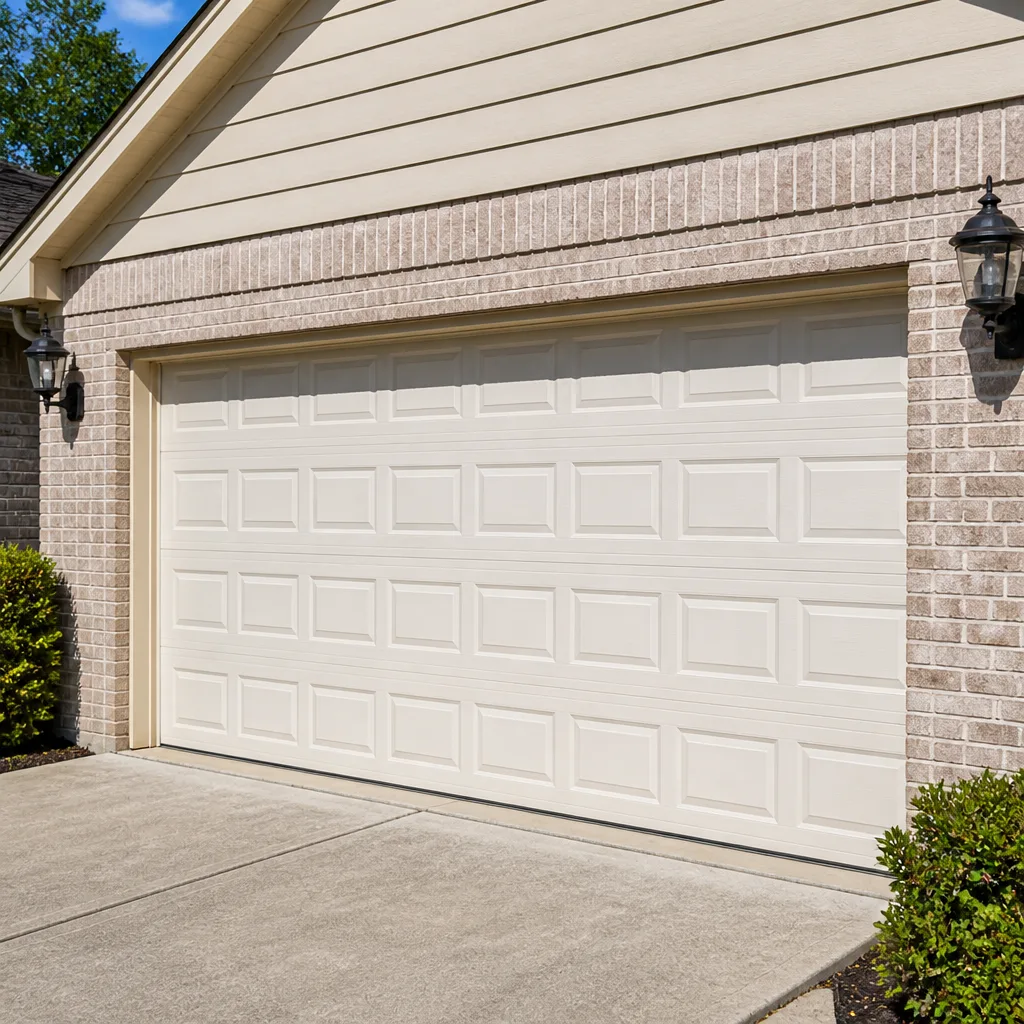 Raised-panel steel
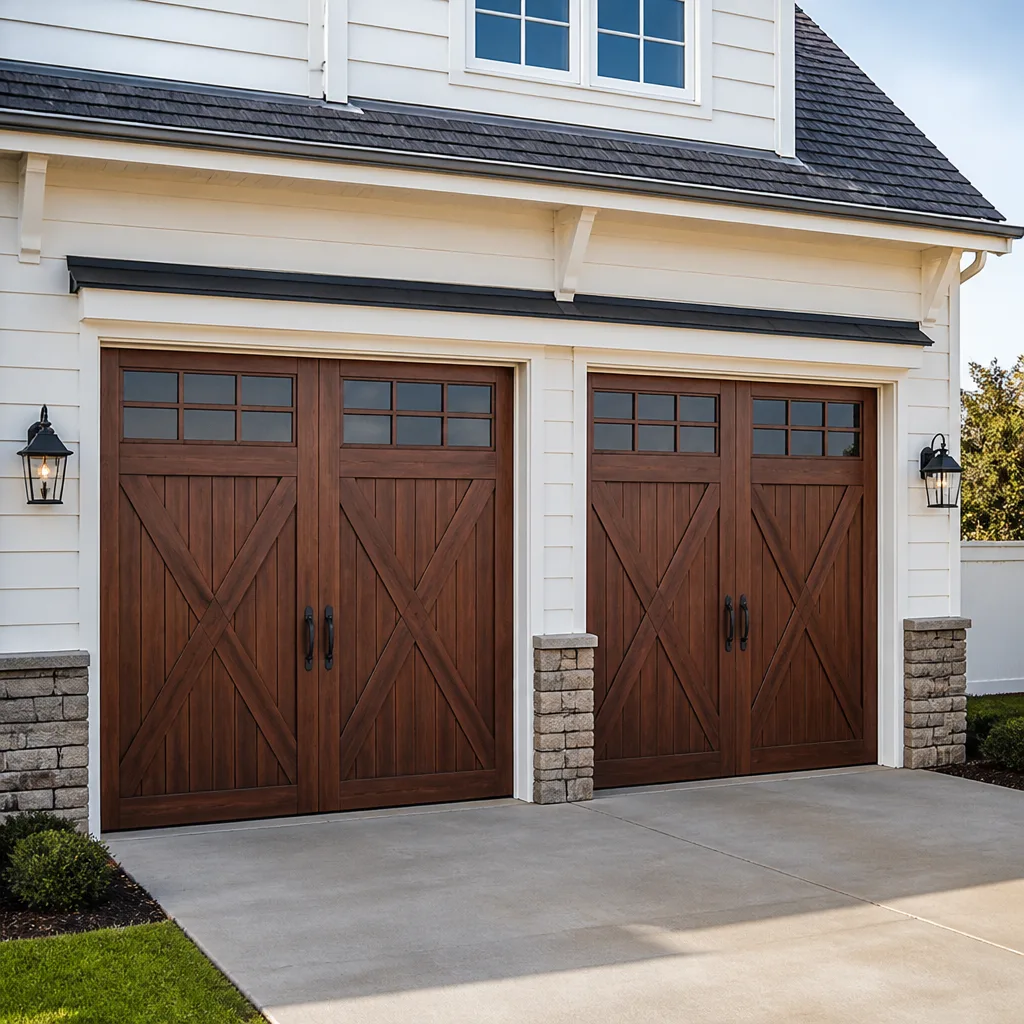 Carriage house
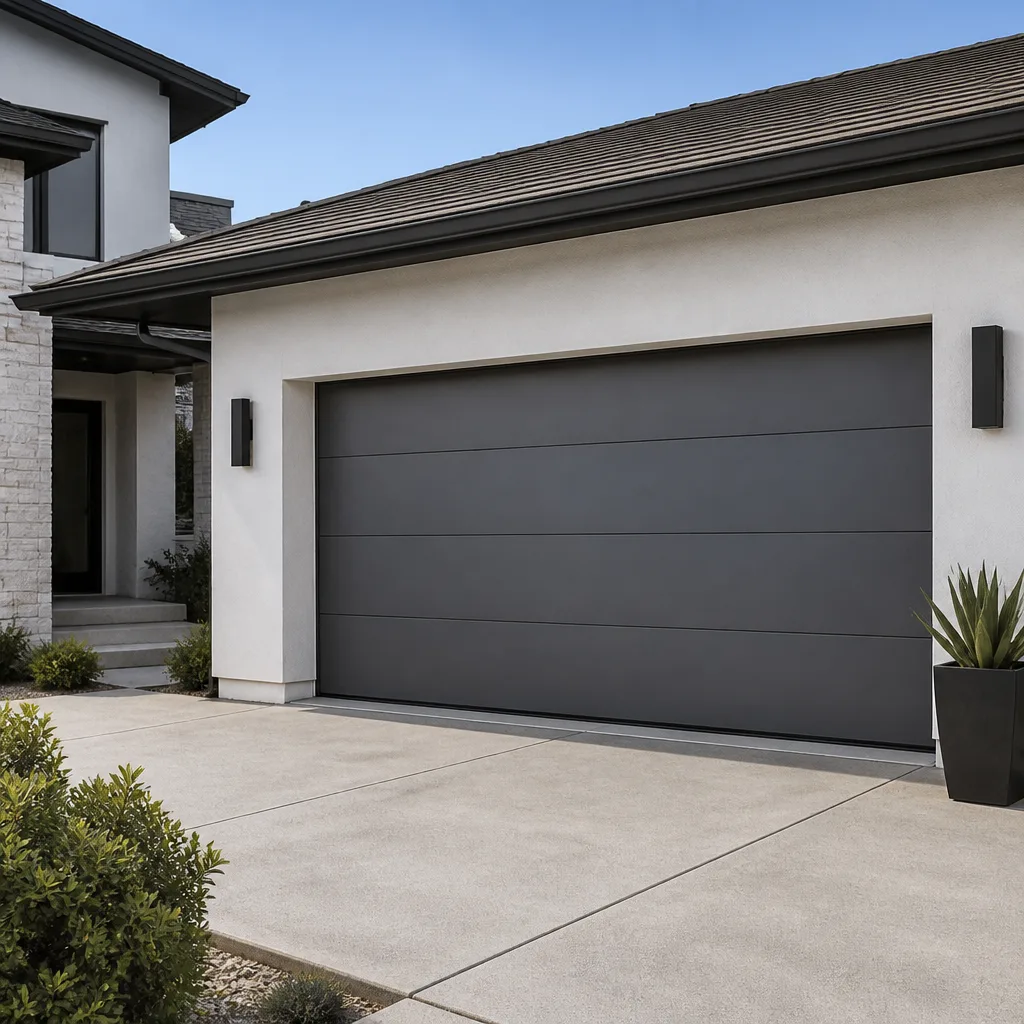 Modern flush
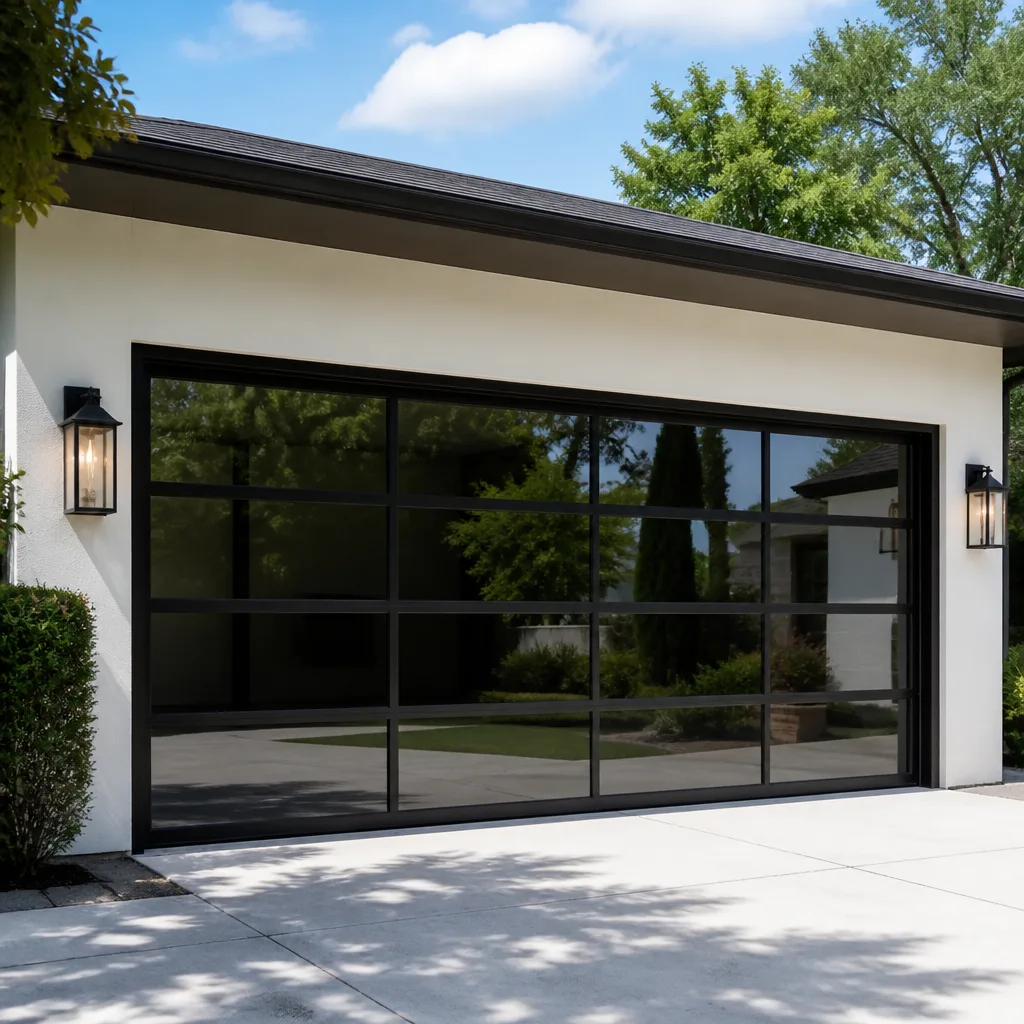 Full-view glass
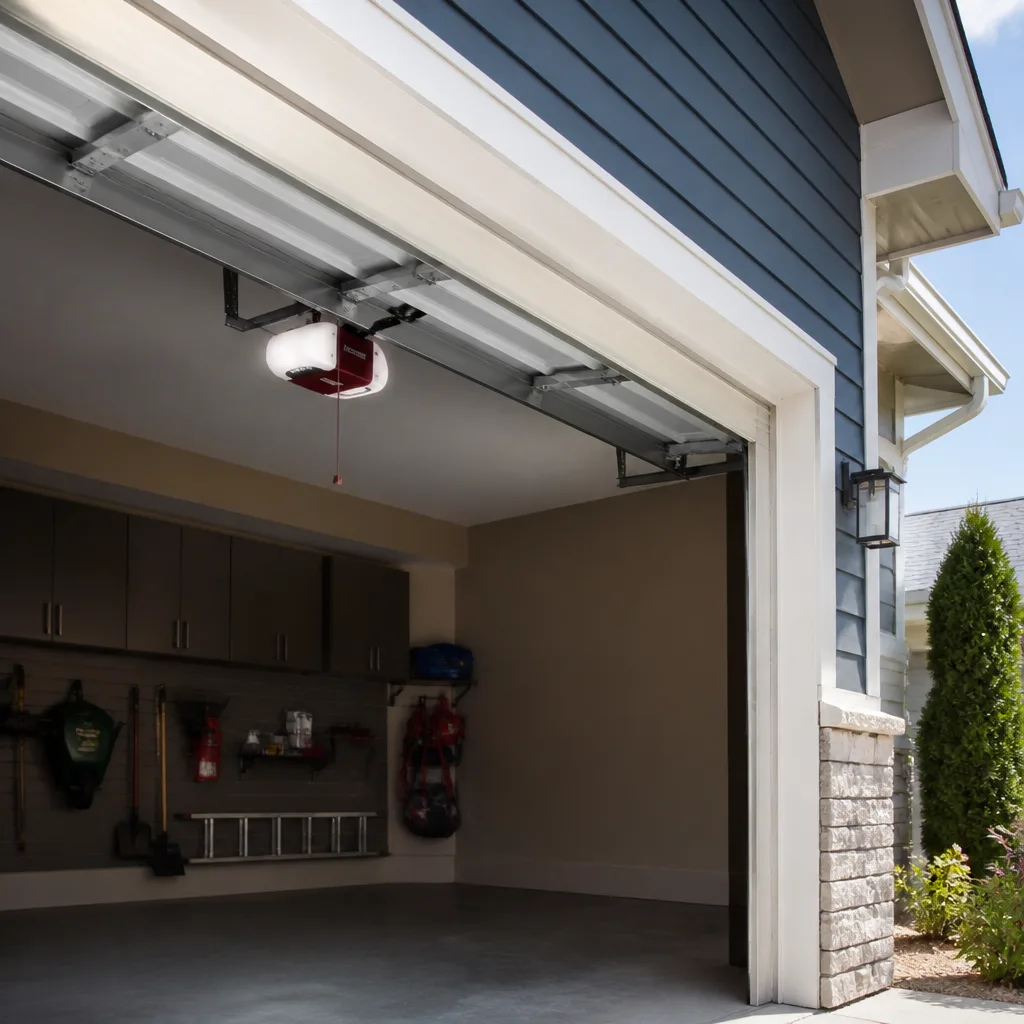 LiftMaster openers
 Chamberlain openers
Full 25-point door and opener safety check with every visit - springs, cables, rollers, tracks, and your LiftMaster or Chamberlain opener included
You get a price before we start. It does not change when the pro arrives.
Get your free estimateSeasonal Garage Door Care for New Britain: Year-Round Homeowner’s Guide
The spring that snaps in January didn’t fail in January. It fatigued through two extra months of your opener dragging a stiff door across frozen tracks, and January is simply when the metal finally gave out. That’s the part most care guides miss. A garage door in New Britain doesn’t break because of the weather happening right now – it breaks because of the wear the season before quietly built up. Seasonal care isn’t weatherproofing. It’s understanding which season inflicts the damage and which season reveals it, then getting ahead of the gap. This guide walks through each of New Britain’s four seasons, the failure mode each one triggers, and a month-by-month schedule built around our average first freeze in mid-November and last frost in mid-April.
Quick Answer
Seasonal garage door care in New Britain means tuning maintenance to the local calendar: three fall checks before the mid-November freeze, protective steps through winter, a wear assessment in spring once the frost lifts in mid-April, and humidity control through summer. The season that damages your door is usually not the season you notice the problem, so the work is done one season ahead. Spring, opener, panel or full door – each part has its own seasonal weak point.
Styles & brands we work with
- Raised-panel steel
- Carriage house
- Modern flush
- Full-view glass
- LiftMaster openers
- Chamberlain openers
Table of Contents
- Why Seasons Matter More Than You’d Think in New Britain
- Fall: The Three Checks Before the First Hard Freeze
- Winter: Getting a Frozen Door Unstuck Safely
- Spring: Assessing Cumulative Wear, Not Just Lubricating
- Summer: Heat, Humidity, and the Slow Warp
- A Month-by-Month Task Calendar for New Britain
- Matching Care to Your Brand
- Common Mistakes to Avoid
Why Seasons Matter More Than You’d Think in New Britain
Garage doors are mechanical, and mechanical parts don’t fail on a neat schedule – they fail based on how many cycles they’ve run under what conditions. New Britain sits in a part of Connecticut where the temperature swings hard and often: a stretch of mild days can be followed by a deep freeze inside of a week, and the spring thaw runs slow enough that water sits where a door meets the slab.
That swing is the real enemy. Metal expands in the heat and contracts in the cold. Tracks that fit perfectly in July can tighten against the door in January. Lubricant that flows freely in October thickens into something closer to wax by February. Seals that flexed at forty degrees turn brittle at fifteen. None of these changes announces itself – the door just works a little harder each week, and the extra strain lands on the components that carry the load: the springs, the cables, the opener’s drive gear.
This is why we think about seasonal care as a relay rather than a checklist. What you do in fall protects the springs through winter. What you catch in spring tells you what summer and fall need. And the failure that seems to come out of nowhere in the cold is usually the last link in a chain that started months earlier. If you’d rather not wait for that chain to run out, New Britain Garage Door Repair Co is the one place to start.
Fall: The Three Checks Before the First Hard Freeze
New Britain’s average first hard freeze lands around mid-November. Everything you do to the door before that date determines how much extra strain the springs absorb over the winter, and in our experience the great majority of winter service calls trace back to three things that could have been caught in October. Here they are, in the order they matter.
- Test the balance and check the springs. Disconnect the opener using the release handle, lift the door halfway by hand, and let go. A properly balanced door should hold roughly where you left it. If it sags, drops, or takes real effort to lift, the springs are showing their age – and a weakened spring in October is a snapped spring in February. Look at the springs themselves for gaps, visible stretch, or a winding coil that looks different from its neighbor. Never try to adjust a torsion spring yourself; that’s the one part of this door that can hurt you badly, and it’s a job for a trained technician. If a spring looks wrong, book garage door spring repair before the cold sets in.
- Lubricate tracks, rollers, and hinges the right way. Use a silicone-based or white lithium garage door lubricant – a few drops on each hinge and roller, and a light coat down the inside of each track. Skip chain grease on the tracks. Clean out grit first; slathering lube over grit just grinds it in all winter.
- Check the bottom seal and the thresholds. Run your hand along the bottom weatherstripping and look for cracks, hard spots, or a seal that no longer touches the floor. A leaking bottom seal lets meltwater freeze the door to the slab, which sets up the winter problem below.
If any of the three turns up something you’re not sure about, a professional inspection is cheaper than the spring it might save.
Winter: Getting a Frozen Door Unstuck Safely
When a door is sealed to the floor by ice, the instinct is to hit the opener and let it force the door up. Don’t. That single action sends a surge of torque through a spring that’s already cold and brittle, and it can snap a spring or strip a cable drum before the door has moved an inch. The safe sequence below protects the hardware.
- Turn off the opener. Pull the release cord to disconnect the door from the opener before you do anything else, so nothing can run the motor.
- Break the seal gently. Stand inside and use a flat plastic scraper or an old broom handle to work free any ice where the bottom seal meets the concrete – never a metal shovel point, which scratches the slab and can tear the seal.
- Look before lifting. Once the seam is free, lift the door by hand slowly, checking that both sides come up evenly. This is the honest diagnostic step. If it binds on one side or the cables look loose, stop and call for repair rather than forcing it. Improperly tensioned cables are dangerous, and a door that goes up crooked can come down crooked.
- Treat the threshold. Once it’s up, clear the meltwater and apply an ice-melt product made for concrete to the apron in front of the door so it doesn’t re-freeze overnight.
If the door won’t move at all, or the opener hums and clicks but doesn’t lift, winter cold is a normal time for drive gears and opener capacitors to fail. Our garage door opener repair handles those when a door can’t wait.
Spring: Assessing Cumulative Wear, Not Just Lubricating
When the last frost lifts around mid-April, the temptation is to give the door a squirt of lube and call it done for the year. But spring is the season that reveals everything winter did, and it’s the most valuable inspection window you get. The door survived; now it needs a proper accounting. Rather than lubricating and moving on, walk through the door part by part.
- Cycle count vs. spring age. Springs are rated in cycles, not years, and a winter of extra strain has burned through more than the calendar suggests. If the door has run thousands of open-close cycles, the springs are near the end of their rated life whether they look fine or not.
- Cable and drum condition. Look at the cables where they run along each side – for fraying, kinks, or rust. Check the drums at the top for cable that’s started to climb or slip out of its groove.
- Rollers and hinges. Spin each roller by hand. A roller that grinds or wobbles is on its way out, and worn rollers strain the opener.
- Panel and track alignment. Run the door up and down and watch the gap between the door and the tracks on both sides. If one side tightens, the track has shifted over the frost heaves.
- Opener force and sensors. Re-test the safety reverse, and check that the opener hasn’t been nudged into a higher force setting to compensate for winter stiffness.
This is also the season to decide whether a repair is still worth it. Our garage door repair service is built around the principle of same door, fixed right – a genuine diagnosis first and a replacement recommendation only when the repair no longer makes sense.
Summer: Heat, Humidity, and the Slow Warp
Summer is the season that damages doors slowly enough that you never connect the cause. Heat and humidity work on the parts of the door that are the most expensive to replace: the panels themselves. Wood and wood-composite panels absorb moisture and swell, and the heat then dries them unevenly, so over a few summers a panel that was flat starts to bow. You notice it as a door that drags at the top or bottom, and by then the warp is built in.
Steel and aluminum doors don’t warp the same way, but heat still matters. Metal expands and can bow slightly; the paint film on a steel panel takes the UV hit, and a small scratch that lets moisture under the finish starts a rust spot that grows. The hinges and the joints between sections are where water collects after rain, so a quick towel-dry and a light coat of lubricant on the hinge pins goes a long way.
The preventive work in summer is mostly about moisture and sun. Seal any gap where the door frame meets the siding, keep the bottom seal seated, and if your door faces the afternoon sun, keep an eye on the paint film at the top panel where it gets the most heat. If you notice a panel that’s bowing or a section that no longer lines up cleanly with its neighbors, get it looked at before the fall – a small warp caught in summer is a repair, while a warped panel left through the freeze and thaw becomes a replacement conversation.
A Month-by-Month Task Calendar for New Britain
Here’s the schedule we’d hand a homeowner in New Britain, built around our typical first freeze in mid-November and last frost in mid-April. It’s not a lot of work; it’s just the right work at the right time.
- September: Clear the tracks of summer grit and debris and give the rollers and hinges a light lubricant pass. Check that the bottom seal still seats.
- October: Test the door’s balance by hand with the opener disconnected and check the springs for gaps or stretch. Now’s the time to book a repair if anything’s off, before the cold arrives.
- Early November (before the first hard freeze): Re-test the safety reverse, clear the apron of the driveway, and make sure the bottom seal is intact so meltwater can’t freeze the door shut. This is the last easy week.
- December through February: Cycle the door by hand once a week with the opener off to confirm it’s not binding. Keep ice melt cleared from the threshold. Never force a frozen door.
- Late March: Watch for frost heave moving the tracks and for the first signs of cable wear as the ground thaws.
- Mid-April (after last frost): Full wear assessment – springs, cables, drums, rollers, panels, tracks. The door has earned a real inspection.
- May through July: Keep an eye on painted steel for surface rust and wood-composite panels for swelling. Re-lubricate hinges and rollers once in mid-summer.
- August: Clear the tracks again, check the opener’s sensors, and re-seat the bottom seal ahead of the fall cycle.
Matching Care to Your Brand
Not every door cares about the seasons in the same way, and it helps to know which system is sitting on your overhead. We work on eight major garage door and opener brands, so the guidance here is the same whatever’s installed – but the failure points differ.
If your door is a Wayne Dalton or a Raynor, you’re likely dealing with a torsion spring system and a door that rewards a proper balance check in October. Craftsman and LiftMaster openers – the two most common drive systems we see – are affected by cold the same way: gears and capacitors are the weakest link, and a door that binds in winter forces the opener to work harder and shortens its life. LiftMaster’s smart-home features are useful here, since many of them can log cycle counts that tell you when the springs are due. In our experience, the brand matters less than matching maintenance intervals to what the door actually does – and no brand lock-in is part of the point, so we work on whatever is already installed.
If you want an experienced eye on it, our technicians have up to 14 years of experience across these systems.
Common Mistakes to Avoid
- Forcing a frozen door with the opener. This is the single most common winter cause of snapped springs in New Britain. Turn off the opener and free the seal by hand first, every time.
- Treating spring as a lube-and-go season. A shot of lubricant hides the symptoms but does nothing for a cable that’s frayed or a track that’s shifted after the frost. Walk the whole door.
- Watching the springs instead of the cables. Springs and cables fail together. Loose, frayed, or misaligned cables are a warning sign that a spring is near the end of its life, so treat a bad cable as a prompt to inspect both.
- Using the wrong lubricant. Chain grease, WD-40 on tracks, or too much of anything all attract grit. Use a dedicated garage door lubricant, and use it sparingly.
- Ignoring a slow warp in summer. That slight bow in a wood or composite panel you noticed in July is a cheap repair in July and a replacement conversation by the following spring.
- Pushing the opener force setting up to compensate for winter stiffness. If the door’s getting harder to lift, the fix is a repair, not a bigger force number. Raising force masks a real problem and won’t save the opener.
- Skipping the fall inspection entirely. In New Britain, one October check routinely prevents what would have been a winter call. The door rarely fails on the day you notice it.
See the difference
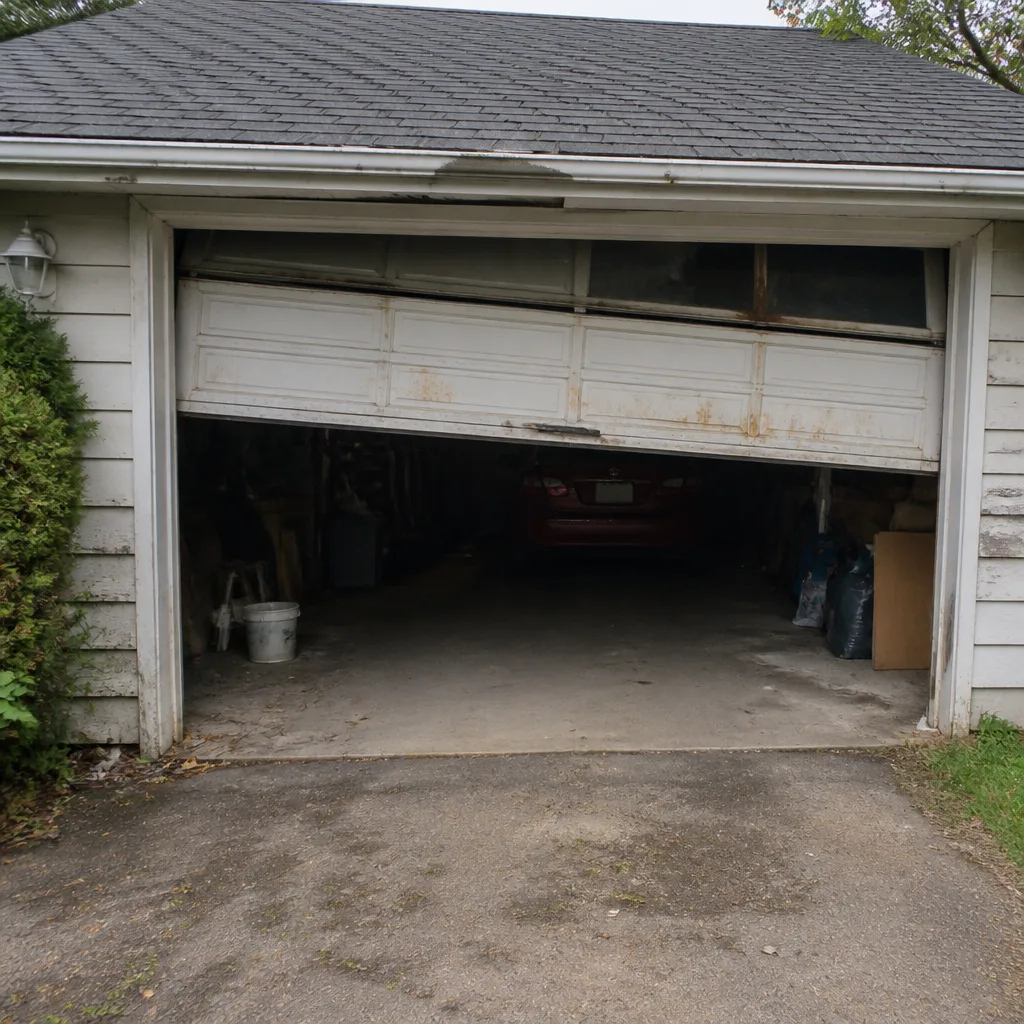 Before
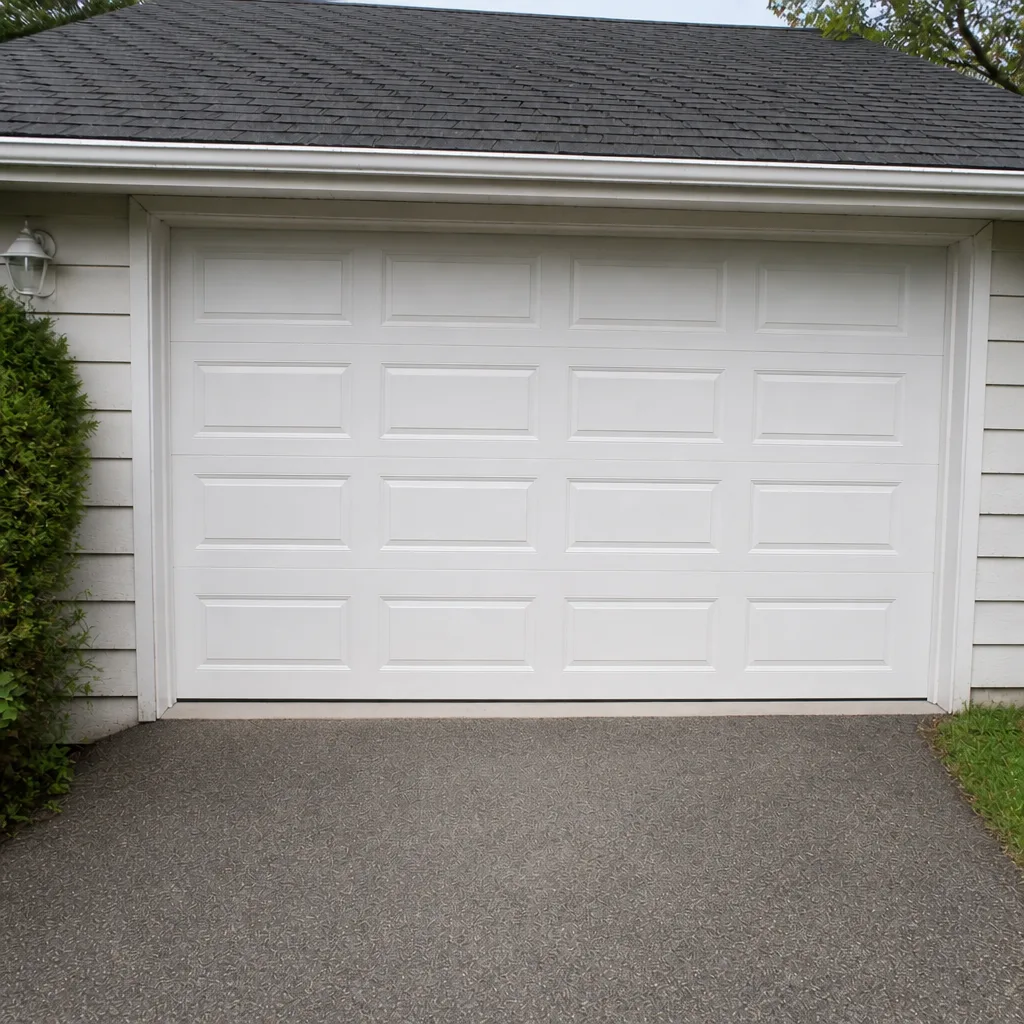 After
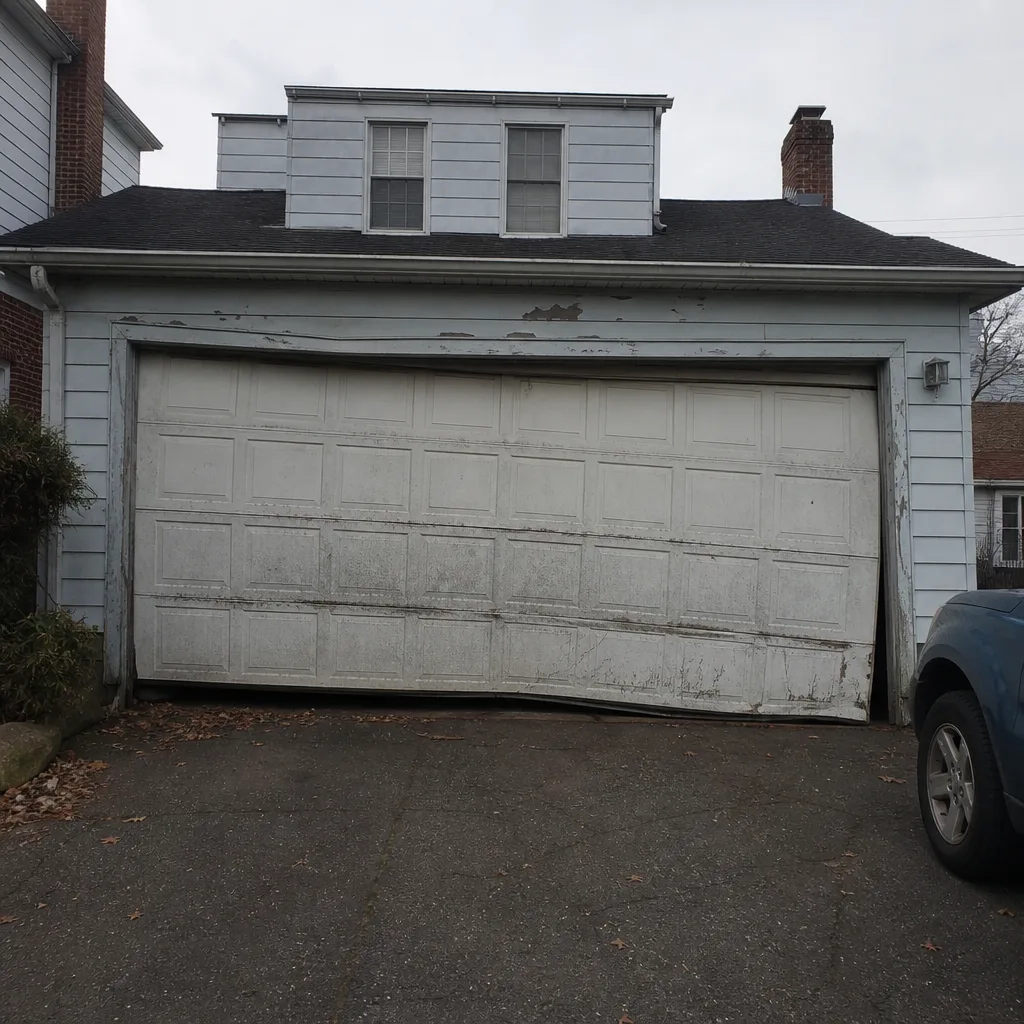 Before
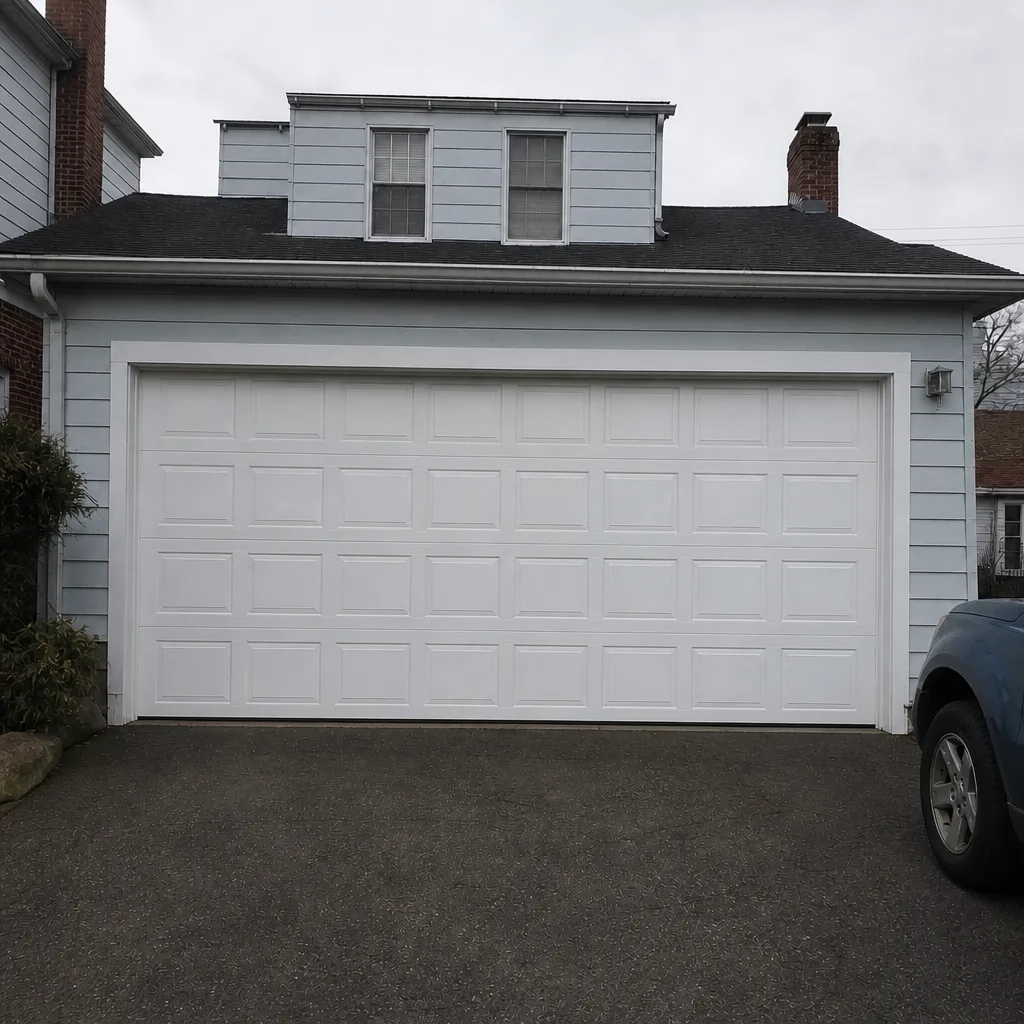 After
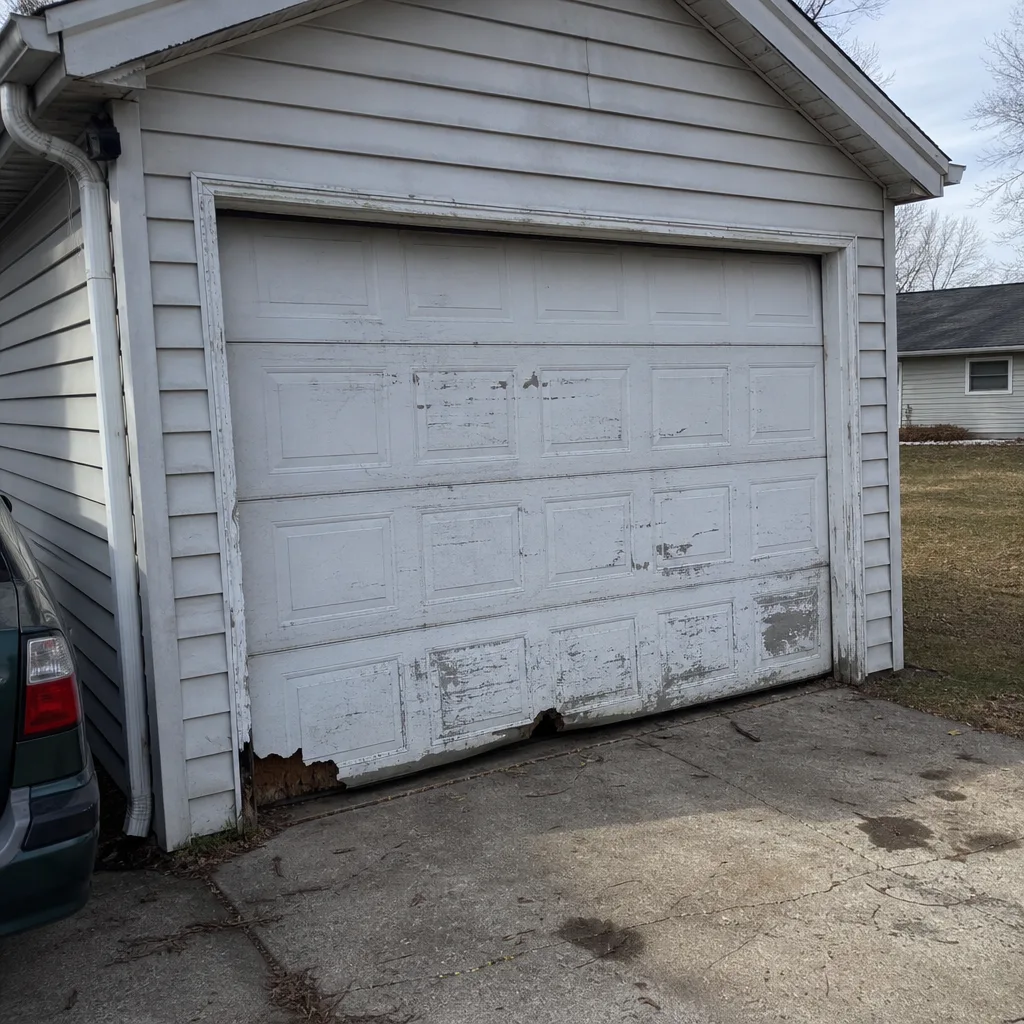 Before
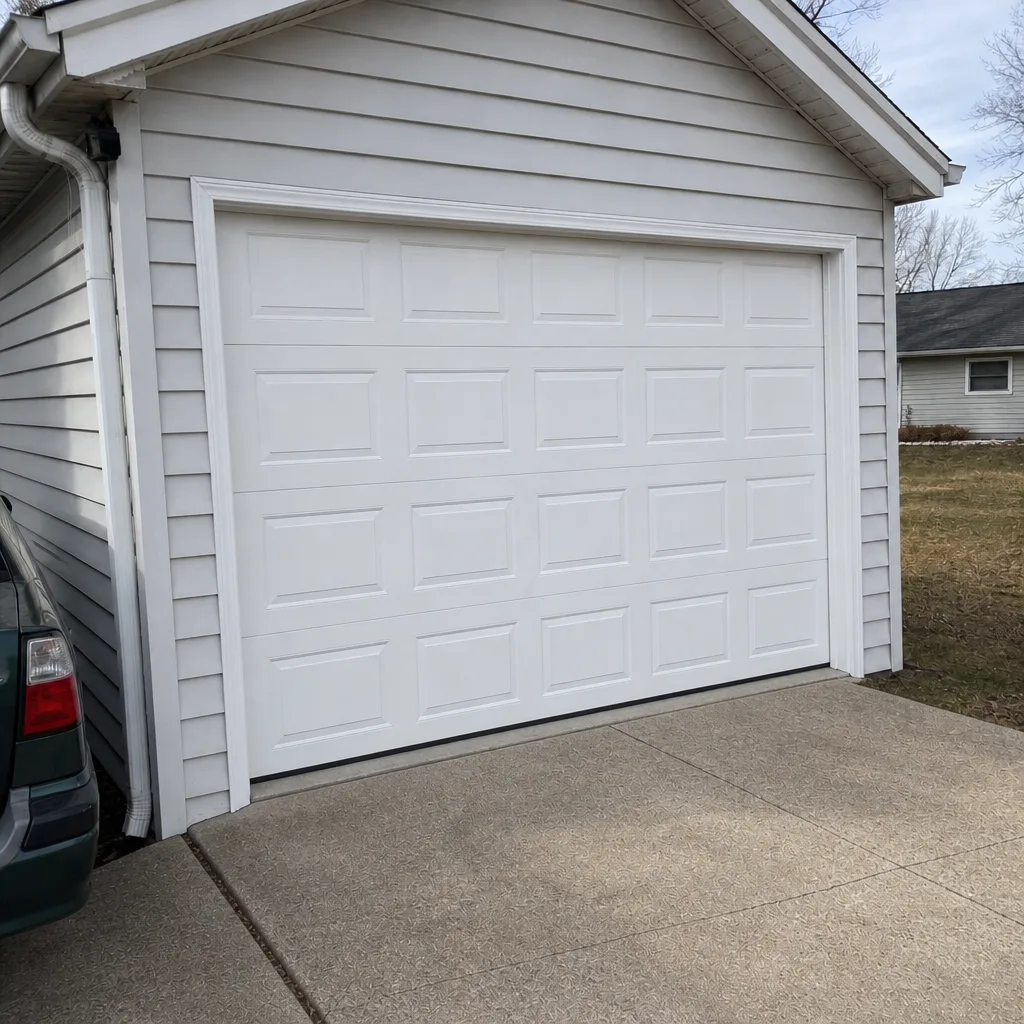 After
When to Call a Professional
Some seasonal tasks are safe to do yourself; others are not, and knowing the line saves more than money. Call a professional if a spring shows visible gaps or stretch, if a cable is frayed or loose, if the door goes up crooked or binds on one side, or if the opener hums and clicks without lifting the door. Those are the cases where forcing it risks injury or a bigger repair, and they’re the ones where a proper diagnosis pays for itself. For everything from a snapped spring to a door that won’t close, New Britain Garage Door Repair Co handles emergency garage door service – the situations where it genuinely can’t wait – and our estimates are free. Call (833) 468-5774 to get a technician out and get a written quote before any work starts.
Frequently Asked Questions
The best time is late October, before the first hard freeze around mid-November, followed by a full assessment in mid-April after the last frost. Those two windows catch what fall needs to prevent and what winter left behind. If you do only one, make it the fall check – it’s the one that protects the springs through the coldest months. Call (833) 468-5774 to book a free estimate.
Turn off the opener and disconnect the door first, then free the ice along the bottom seal with a plastic scraper or a broom handle, and lift the door slowly by hand before reconnecting. Never let the opener try to force a frozen door up. If the door won’t lift cleanly or binds on one side, stop and call a professional; forcing it risks snapping a spring or stripping a cable drum. Call (833) 468-5774 and we’ll help you work out the next step.
Because the spring didn’t fail suddenly – it fatigued over the fall and early winter as cold made the door harder to move, and it finally gave out when the accumulated wear hit its limit. The failure is the last link in a chain, which is why a fall check matters so much. The strain builds up weeks before the break. Call (833) 468-5774 for a check before it gets there.
Yes, at the low-wear points: hinges, rollers, and the inside of the tracks, using a proper garage door lubricant and a light touch. What is not safe is adjusting a torsion spring or working on cables, both of which carry real injury risk. Leave those to a trained technician and stick to the lubrication and visual checks. Call (833) 468-5774 if anything looks off.
Yes. Heat and humidity swell wood and wood-composite panels, and uneven drying then leaves a bow that shows up later as a door that drags or sits crooked. It’s a slow process, which is exactly why it’s easy to miss. Catching a warp in summer lets you repair the panel rather than replace it. Call (833) 468-5774 for a free estimate.
Springs are rated in cycles rather than years, so the honest answer comes from a balance test and a visual check: visible gaps, stretch, or a door that won’t hold its position with the opener disconnected all point toward replacement. If you’re unsure, have a technician look before the cold sets in. Call (833) 468-5774 for a free estimate and we’ll tell you plainly.
The Bottom Line
Seasonal garage door care in New Britain comes down to timing. The season that damages your door is rarely the season you notice the problem, so the work is sequenced one step ahead of the weather: three fall checks before the mid-November freeze, careful handling through winter, a genuine wear assessment once the frost lifts in mid-April, and attention to heat and humidity through summer. Springs, cables, panels, openers – each has its own seasonal weak point, and each is easiest to fix before the season that reveals it. If you’d rather hand the schedule to someone who works on these doors every day, we’re a specialist, not a generalist, and we work on your brand.
When it’s time to get ahead of a season, New Britain Garage Door Repair Co is ready to help. Call (833) 468-5774 for a free estimate, and we’ll get a written quote in your hands before any work starts.
Written by the team at New Britain Garage Door Repair Co.