Last updated November 22, 2026
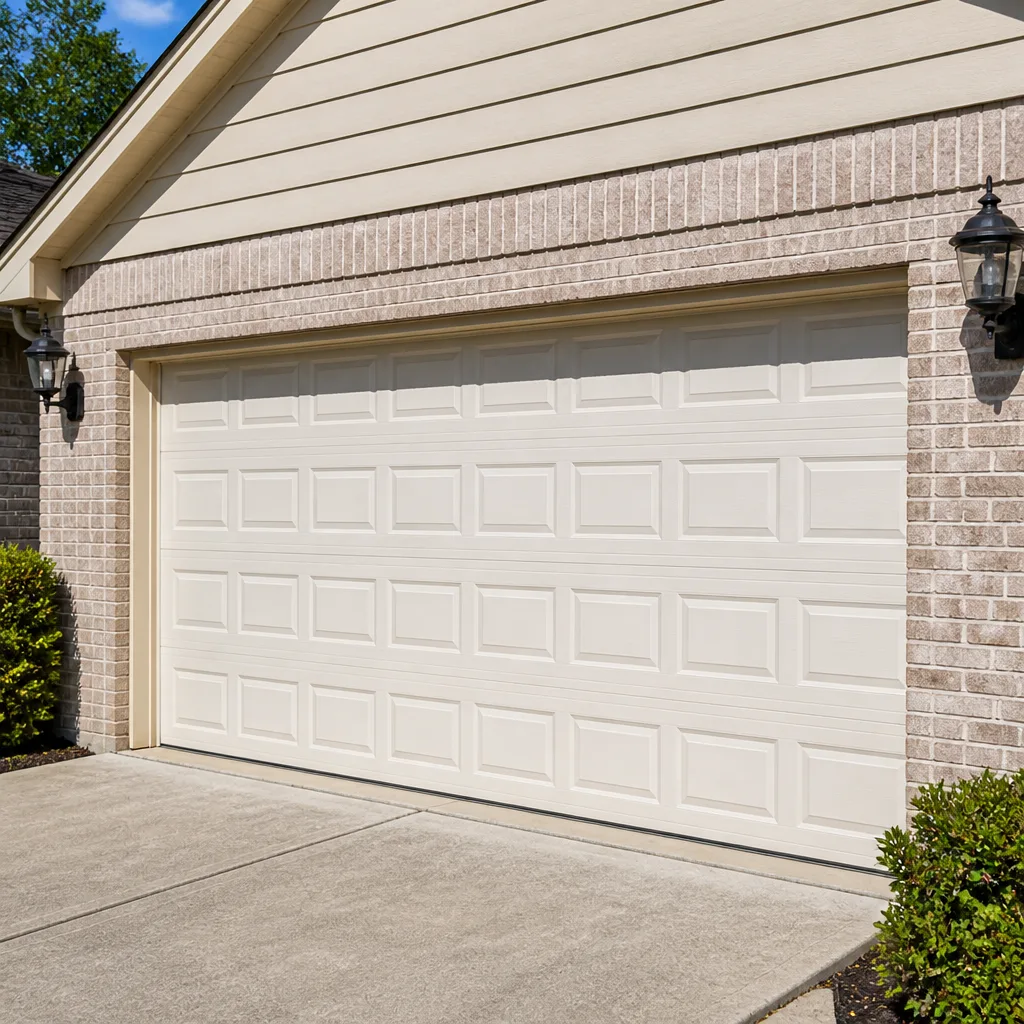 Raised-panel steel
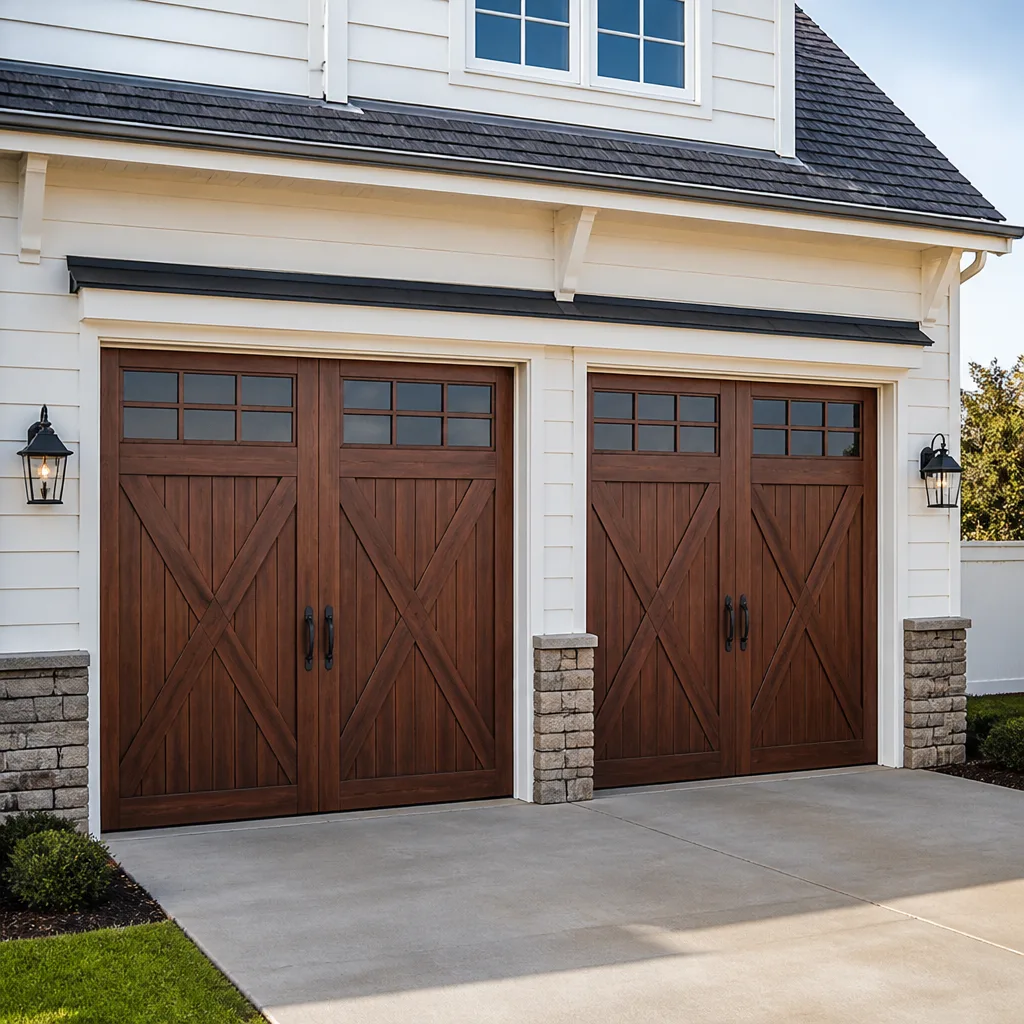 Carriage house
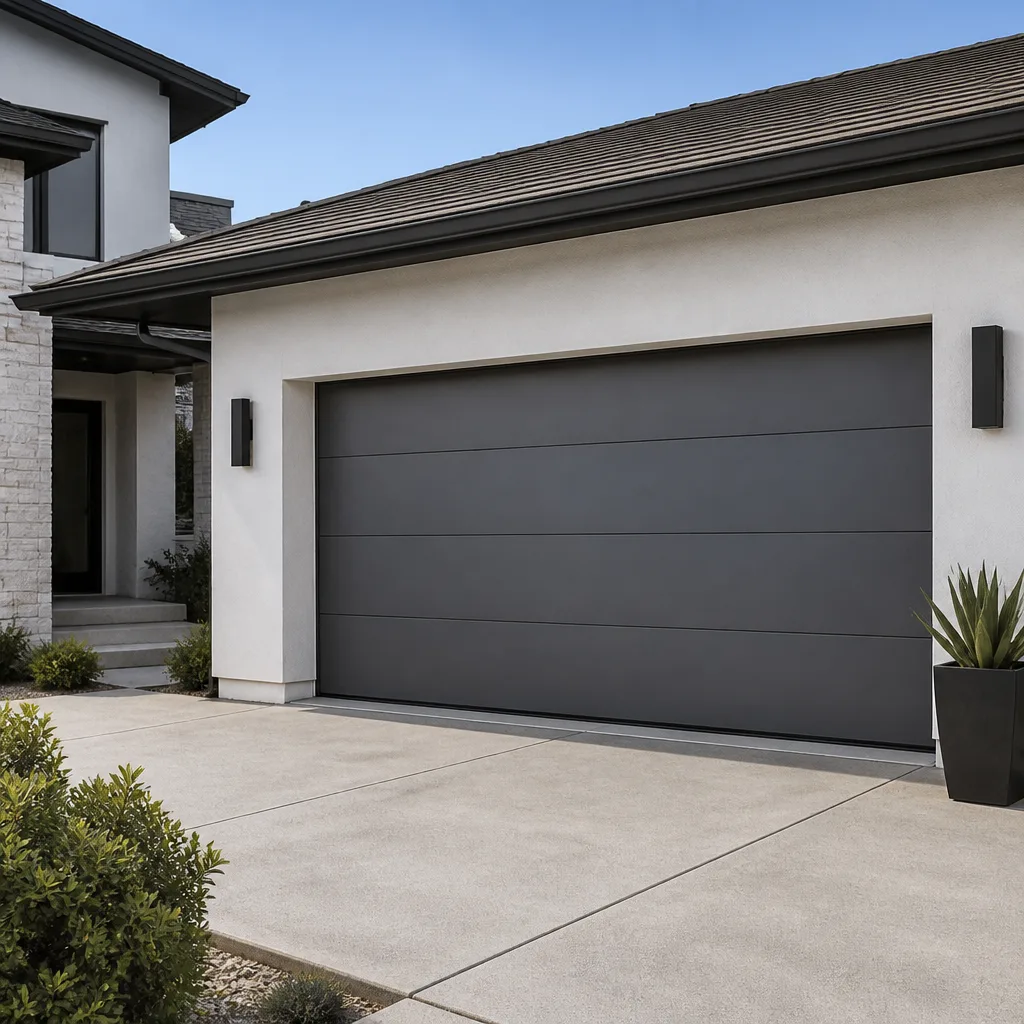 Modern flush
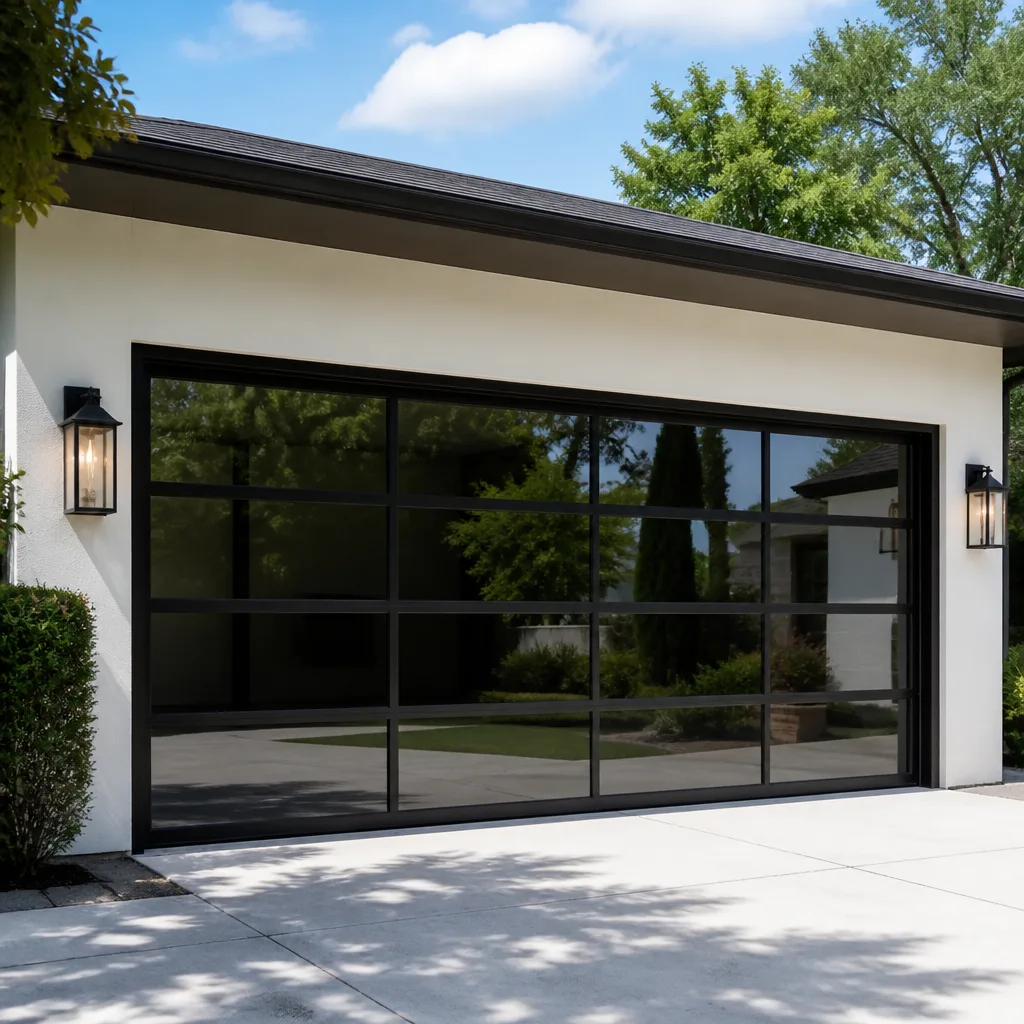 Full-view glass
 LiftMaster openers
 Chamberlain openers
Full 25-point door and opener safety check with every visit - springs, cables, rollers, tracks, and your LiftMaster or Chamberlain opener included
You get a price before we start. It does not change when the pro arrives.
Get your free estimateGarage Door Permits, Codes & Inspections in New Britain, CT: What You Need to Know
Most New Britain homeowners never think about a permit for garage door work because nobody ever told them they might need one. That’s the whole problem. The line between a repair and an alteration under the Connecticut State Building Code is specific, and it decides whether your project is a simple swap or a permitted construction job that has to be inspected. When you change the rough opening, add an opener to a manual door on an attached garage, or put a door on a structure that used to be open, you’ve crossed it. This guide walks through those thresholds, how attached and detached garages differ, what a New Britain home inspection turns up, and how to keep permit compliance in your contract. It’s the plain version, written from New Britain by people who work on garage doors every day.
Quick Answer
In New Britain, CT, a like-for-like garage door replacement of the same size in the same opening usually does not require a building permit under the Connecticut State Building Code. You likely do need one when you change the size of the rough opening, install a new garage door on a structure that was previously open, add an opener and its wiring to an attached garage, or make structural changes to the framing or header. When in doubt, call the New Britain Building Department and confirm before work starts.
Styles & brands we work with
- Raised-panel steel
- Carriage house
- Modern flush
- Full-view glass
- LiftMaster openers
- Chamberlain openers
Table of Contents
- When does garage door work need a permit in New Britain?
- Attached vs. detached garages: how fire code changes the door
- What happens at a home inspection if garage work wasn’t permitted
- How to pull a garage door permit through the New Britain Building Department
- What the inspection actually involves
- Why some contractors skip permits, and how to make compliance a contract requirement
- Safety systems and code: springs, openers, and the parts that matter most
- Common mistakes to avoid
When does garage door work need a permit in New Britain?
Garage door work needs a permit in New Britain when it changes the building, not just the door. A straight replacement of a worn door with a new one of the same size in the same opening is generally treated as repair and maintenance. Once you alter the opening, add new equipment to an attached structure, or build a door onto something that didn’t have one, the work gets classified as an alteration or new construction, and that’s where permits enter the picture.
Connecticut adopted the 2021 International Building Code with state amendments, along with the International Residential Code that most one- and two-family homes fall under. The state code is what governs garage door work in New Britain, not a separate local rulebook. New Britain’s Building Department applies it to the projects filed in the city.
Here’s how the thresholds shake out in practice:
- Like-for-like replacement: same size door, same opening, same track layout. Generally no permit. You’re swapping components, not changing the structure.
- Changing the rough opening size: wider, taller, or repositioned. This affects the header and framing, so it’s a structural change and usually requires a permit.
- Adding an electric opener and its wiring to an attached garage: the electrical connection and the new equipment typically bring the job into permit territory because it involves both the door system and the home’s electrical circuit.
- Installing a new garage door where there wasn’t one: putting a door on a carport or a structure that was previously open is new construction and needs a permit and inspection.
- Structural changes: new header, reframed opening, rebuilt jambs. Structural work always requires a permit.
If your project sits on the fence, the safe move is to ask the New Britain Building Department directly. A phone call costs nothing and saves you a real headache later. For repair work that doesn’t change structure, our garage door repair service handles the replacement side, and we can tell you plainly whether the job you’re describing is a swap or something bigger.
Attached vs. detached garages: how fire code changes the door
Attached or detached changes the requirements for the door itself, not just the permit question. When a garage shares a wall or roof line with the house, the building code treats it as a fire-separation concern. A fire that starts in a garage full of fuel, chemicals, and stored belongings has a direct path to the living space if the door and the wall assembly don’t resist it. That’s why the code asks more of an attached garage door.
For an attached garage, the separation wall between the garage and the house is typically required to be a fire-rated assembly, and openings in that wall are held to a standard too. The garage door isn’t the separation wall itself, but the whole system has to support the fire-separation goal: proper framing, a door that closes tight, and hardware that keeps it shut. Detached garages sit apart from the house, so that same fire-separation logic doesn’t apply the same way.
This matters when you’re choosing a replacement door too. Your existing door on an attached garage may already meet what the code intended, and swapping it for one of the same rating and size keeps you in compliance. Going to a thinner, lighter door with different construction can change how the assembly performs. If you’re not sure what your current door was rated for, a specialist can look at it and tell you what you’ve got before you buy.
We work on all the major brands that end up in New Britain garages, including LiftMaster openers and Clopay and Amarr doors, so we can match or upgrade what’s already there without forcing you into one manufacturer. Being a specialist, not a generalist, means the fire-separation and sizing details aren’t an afterthought for us.
What happens at a home inspection if garage work wasn’t permitted
Unpermitted garage work usually surfaces during the buyer’s home inspection, and it typically turns a smooth sale into a negotiation. Inspectors look at the garage door and opener as part of a standard inspection. They note the door’s condition and operation, the opener and its safety features, and whether there’s evidence of unpermitted construction. That evidence might be a changed opening, new framing with no inspection record, or an opener that was clearly added to a door that didn’t have one.
What buyers do with that discovery varies, but the pattern is consistent. Common responses include:
- Asking for the work to be permitted retroactively or removed before closing.
- Asking for a credit or price reduction to cover the cost of resolving it.
- Walking away if the fix looks like it could ripple into other structural or electrical questions.
- Escalating to the lender, who may require the issue cleared before the loan closes.
None of that is a story about a specific customer. It’s how the transaction works, and it’s why prevention is cheaper than the fix. If you bought a home with garage work that may not have been permitted, you can check the permit history through the New Britain Building Department’s records before you sell. Knowing early gives you time to resolve it, or to disclose it openly if the work meets current standards anyway.
For property managers and homeowners alike, the lesson is straightforward: keep the paper trail. A permitted job with an inspection record is an asset at resale. An unpermitted one is a question mark.
How to pull a garage door permit through the New Britain Building Department
Pulling a garage door permit in New Britain follows the same sequence as any residential alteration, and the process rewards planning before the work starts. Here’s how it goes in steps:
- Confirm the work needs a permit. Call the New Britain Building Department and describe the project. Ask specifically whether it’s classified as repair or alteration. Get the answer before you schedule anything.
- Gather your documents. Expect to provide a description of the scope, drawings or manufacturer specifications for the door, and, if the opener is involved, details on the electrical connection. Ask the department what they need for your specific job.
- Submit the application and fees. Permit fees in New Britain are set by the city and usually scale with the valuation of the work. The department will quote you the fee when you apply, so you’re not guessing.
- Get the permit issued before work begins. The permit has to be in hand before the contractor starts. Most reputable contractors won’t begin permit-required work without it.
- Schedule the inspection. When the work is complete, you or your contractor calls for the inspection. The inspector reviews the installed work against the approved scope.
- Close the permit. Once the inspection passes, the permit is closed and becomes part of the home’s record. That record is exactly what a future buyer’s inspector will want to see.
A straightforward garage door permit is not a long or painful process, but it does need to happen in the right order. Timeline depends on the department’s workload and the scope of the job, so ask for an estimate at the counter rather than assuming it’ll be faster than it is. If repair turns into replacement, the same department handles the new-door project, and the New Britain Garage Door Repair Co team can walk you through what changed so you know whether the scope shifted into permit territory.
What the inspection actually involves
The inspection checks the installed work against the permitted scope, not the whole house. The inspector is there to confirm that what was approved was actually built, and that it meets the code provisions that applied to the application. That means a garage door inspection focuses on the door, its opening, and any electrical or structural work tied to it.
Expect the inspector to look at:
- The rough opening and framing: whether the size and structure match what was approved, and whether the header is sound.
- The door and its hardware: fit in the opening, track, rollers, hinges, and how it seats when closed.
- The opener and electrical: if the opener was part of the permit, the wiring and the equipment installation are checked, including the safety reverse function that modern openers are required to have.
- The fire-separation details on attached garages: the wall and door assembly as it relates to the separation requirement.
The inspection is not a warranty of workmanship, and it does not guarantee the door will never fail. It confirms code compliance at the moment of inspection. What it gives you is documentation, and documentation is what protects you at resale.
If the inspector finds something off, they typically note it and you correct it and schedule a re-inspection. Most findings are small and fixable. The trouble is only when nobody applied for the permit in the first place.
Why some contractors skip permits, and how to make compliance a contract requirement
Some contractors skip permits because the permit protects them less than it protects you. A permit means inspection, and inspection means someone checks the work. For a contractor doing substandard work, that’s a problem. For you, it’s the entire point. When a contractor tells you a permit “isn’t necessary” for a clearly structural or electrical job, ask them to put that claim in writing, and then ask the New Britain Building Department whether they’re right.
You can make compliance a plain part of your agreement without turning into a legal scholar. Write these terms into the contract:
- State clearly who pulls the permit. Decide upfront whether the contractor handles it or you do. Most homeowners prefer the contractor to file.
- Require the permit number on the contract. No permit number for a permit-required job, no signed contract.
- Require a final inspection and a copy of the closed permit. The closed permit is your proof the work was inspected and accepted.
- State that the price includes permit fees if the contractor files. Get it in writing so the fee doesn’t become a surprise line item later.
When we quote a job in New Britain, we tell you whether the work as described is likely to need a permit, and the price is quoted and agreed before any work starts. You won’t get a final invoice that looks nothing like the estimate. For an exact quote, call us. Estimates are free.
Safety systems and code: springs, openers, and the parts that matter most
The parts of a garage door that fail the most violently are the ones the code and inspection care about most. That’s not a coincidence. Torsion springs and the cables that run with them are under enormous tension, and when they fail, they release that energy instantly. The safety reverse function on an opener exists for the same reason: a closing door needs to stop and reverse when something is in the way. These are the systems an inspector checks and the ones we pay closest attention to.
We strongly advise against adjusting, removing, or repairing torsion springs or their cables yourself. This is one of the genuinely dangerous parts of home maintenance, and no guide can talk a homeowner through it safely. Springs should be handled by a trained technician with the right tools. Our garage door spring repair service is a named specialty, not a footnote, and our technicians have up to 14 years of experience with the highest-risk repair in the trade.
Opener safety is a close second. Modern openers, including LiftMaster, Chamberlain, Genie, and Craftsman units, come with safety reverse and often a photo-eye system. If yours is an older opener without those features, or if your safety reverse has stopped working, that’s a code and safety issue, not a convenience one. Our garage door opener repair service handles both the legacy hardware and the newer smart-home-compatible drives. We work on your brand, and we don’t push a replacement when a repair will do. Same door, fixed right.
If a door won’t open or won’t close, emergency service exists for exactly that. A door that’s stuck open leaves your garage and the items in it exposed, and a door that’s stuck closed can trap a car. When it can’t wait, we offer emergency garage door service rather than telling you to sit tight until a scheduled appointment opens up.
Common Mistakes to Avoid
- Assuming a new door never needs a permit. A like-for-like swap usually doesn’t, but a changed opening, new framing, or a new door on a previously open structure does. Ask the New Britain Building Department before you buy.
- Skipping the permit because the contractor said so. A contractor who avoids permits may be avoiding the inspection too. Verify the claim with the city, and get it in writing if they insist.
- Overlooking the fire-separation standard on an attached garage. The door on an attached garage sits inside a fire-separation assembly. Picking a replacement without checking whether it matches what the code intended is a mistake that shows up years later.
- Pulling the permit but never closing it. An open permit on a home’s record is almost as bad as no permit. Make sure the final inspection happens and the permit is closed.
- Letting the permit fee surprise you. New Britain sets permit fees on the city schedule and they’re usually tied to work valuation. Ask for the fee at application so it doesn’t turn into an unplanned line item.
- Trying to handle spring or cable work yourself. The tension in these parts can hurt you badly in an instant. This is not a homeowner task, no matter how many videos you watch.
- Ignoring a failed electric-eye or safety reverse. If the opener’s safety features don’t work, a door can close on a person, a pet, or a car. Get it looked at rather than living with it.
See the difference
 Before
 After
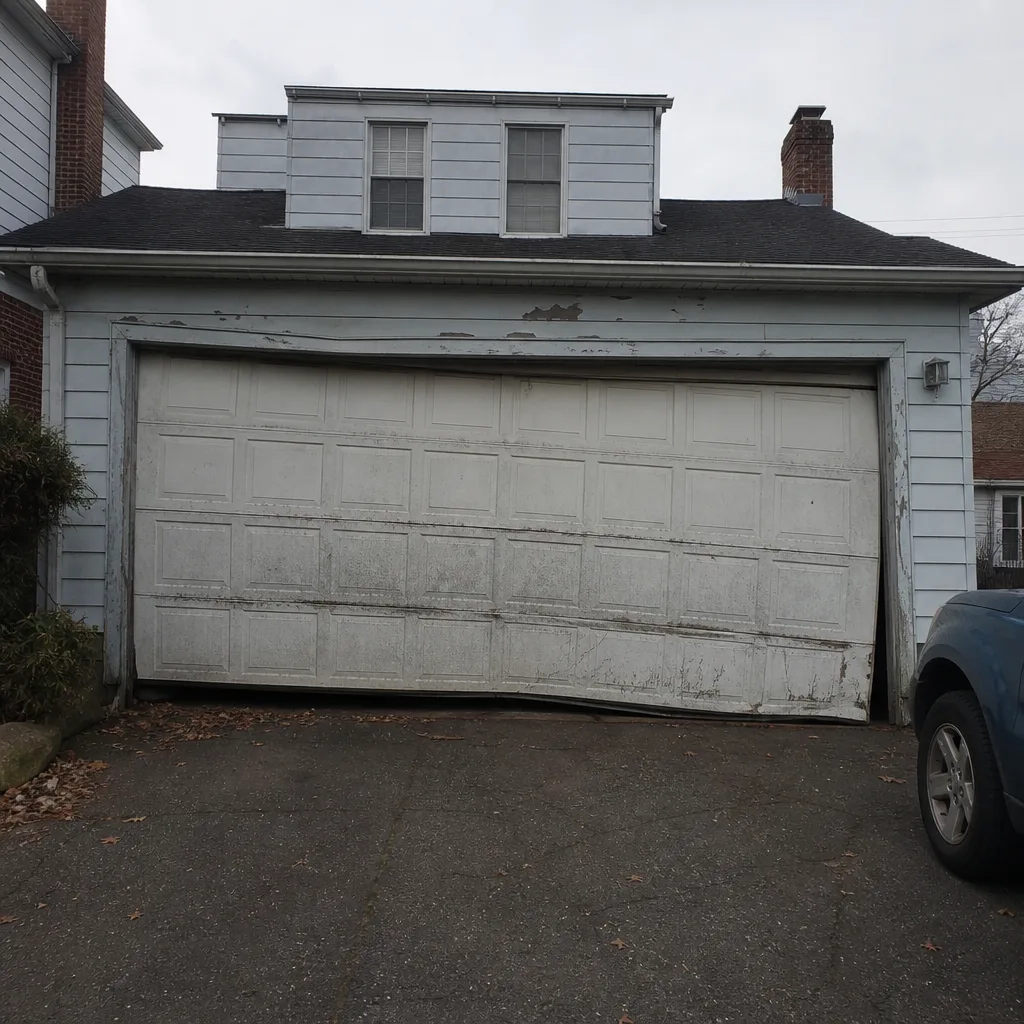 Before
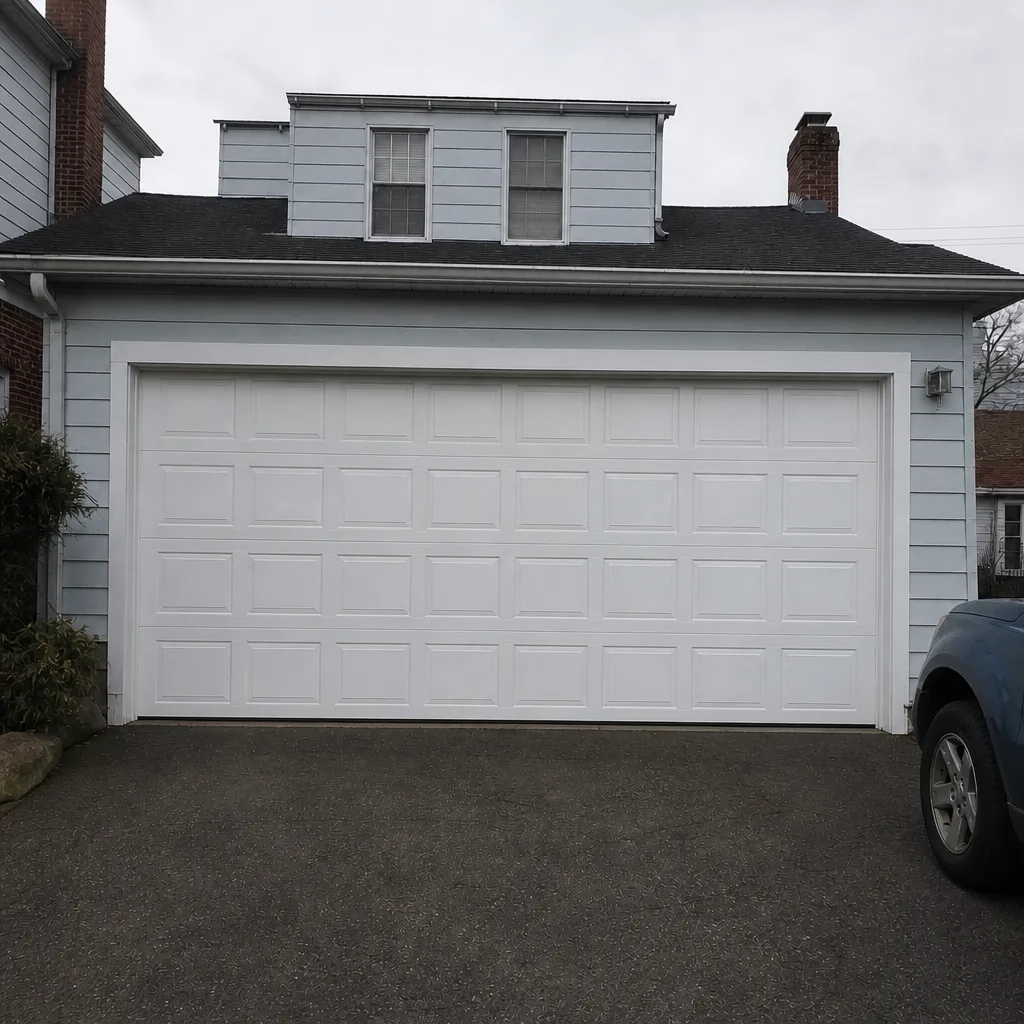 After
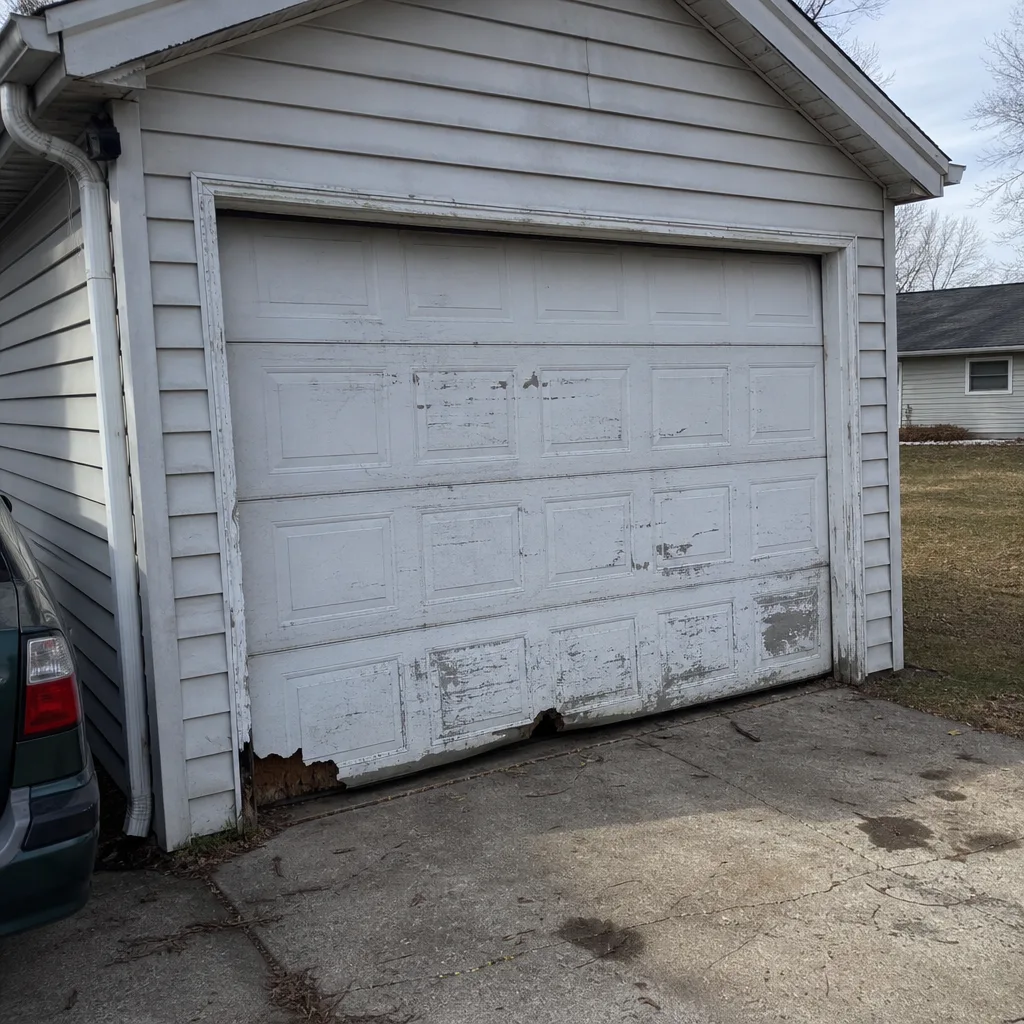 Before
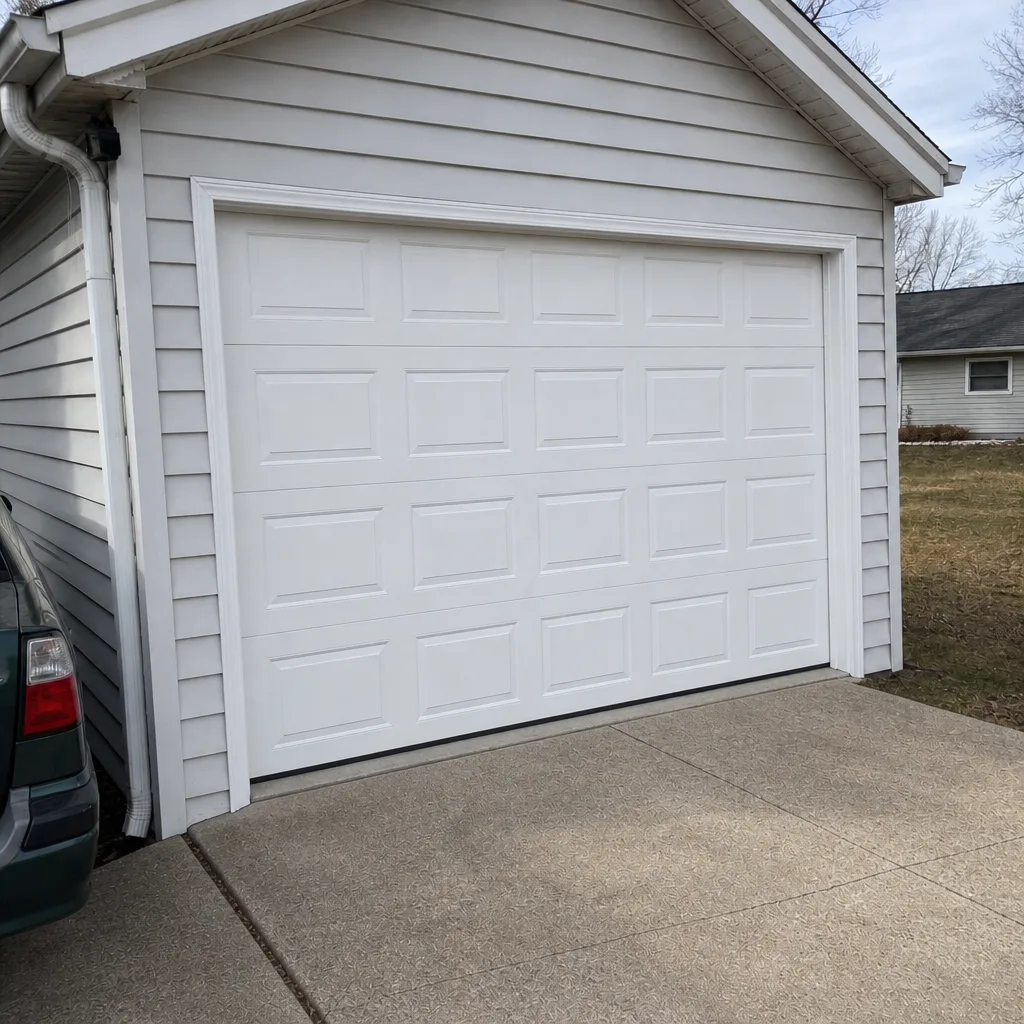 After
When to Call a Professional
Call a professional when the job hits a major safety system or a structural change. That includes a snapped torsion spring, a door that’s off its tracks, a cable that’s frayed or loose, an opener whose safety reverse or photo-eye has stopped working, or a door that won’t open or close and can’t wait. It also includes any project that touches the rough opening, the framing, or the electrical connection, because those overlap with permit-required work and code compliance. Our technicians have up to 14 years of experience and work on LiftMaster, Chamberlain, Genie, Clopay, Amarr, Wayne Dalton, Craftsman, and Raynor systems, so we know your equipment before we arrive. New Britain Garage Door Repair Co offers free estimates in New Britain, and the price is quoted and agreed before any work starts. Call (833) 468-5774.
Frequently Asked Questions
Usually no, if it’s a like-for-like replacement of the same size door in the same opening. You do need a permit if the work changes the rough opening size, adds framing or structural changes, adds an opener and its wiring to an attached garage, or installs a door on a structure that was previously open. Confirm with the New Britain Building Department for your specific project. Call (833) 468-5774 for an exact quote, and estimates are free.
In many cases yes, because the code generally treats a same-size replacement in the same opening as repair and maintenance rather than an alteration. The catch is that the answer depends on the specific scope, not just the size. If the door is the same, the tracks and framing are untouched, and no electrical work is involved, it’s usually on the no-permit side. Ask the department to confirm before you order the door. Call (833) 468-5774 to talk through the scope, and estimates are free.
Attached garages are held to fire-separation requirements that detached garages aren’t, because a shared wall or roof line creates a path from the garage to the living space. That affects the wall assembly and the door on an attached garage. A detached garage sits apart, so the same fire-separation rules don’t apply the same way. If your project is on an attached garage and involves a new door or opener, it’s worth a call to the New Britain Building Department to be sure. For help selecting a compliant door, call (833) 468-5774, and estimates are free.
The timeline depends on the department’s workload and the scope of your project, so ask the New Britain Building Department for an estimate when you apply rather than assuming a set number of days. What matters more is that the permit is issued before work begins and the inspection is closed after. A closed permit with an inspection record protects you at resale. Call (833) 468-5774 for an exact quote on the door work itself, and estimates are free.
Buyers typically ask for the work to be permitted retroactively, ask for a credit or price reduction, or walk away if the fix looks complicated. Lenders may also require the issue cleared before closing. None of that is fatal, but it’s a problem you don’t want to discover at the worst possible moment. If you’re selling in New Britain, check the permit history with the building department early. Call (833) 468-5774 to have the work evaluated, and estimates are free.
The local pro we connect you with is licensed and insured as their state requires, and that’s the standard you want on any garage door job that touches springs, cables, or electrical connections. Ask for the credential details when you book. Our technicians have up to 14 years of experience with the major brands and the safety systems that matter most. Call (833) 468-5774 for a free estimate, and the price is quoted before any work starts.
The Bottom Line
The rule in New Britain is simpler than it sounds. Same-size swap, same opening, generally no permit. Change the opening, add a door, add an opener to an attached garage, or touch the framing, and you’re in permit territory whether anyone mentions it or not. The point isn’t paperwork, it’s resale. A closed permit with an inspection record turns a question mark into an asset, and skipping it hands your buyer the leverage. Confirm scope with the New Britain Building Department, put permit compliance in your contract, and never take on spring or cable work yourself. The professionals you connect with are licensed and insured as their state requires, and when it can’t wait, emergency service exists for exactly that. For an exact quote, call (833) 468-5774. Estimates are free, and the price is quoted and agreed before any work starts.
Written by the team at New Britain Garage Door Repair Co.