Last updated November 22, 2026
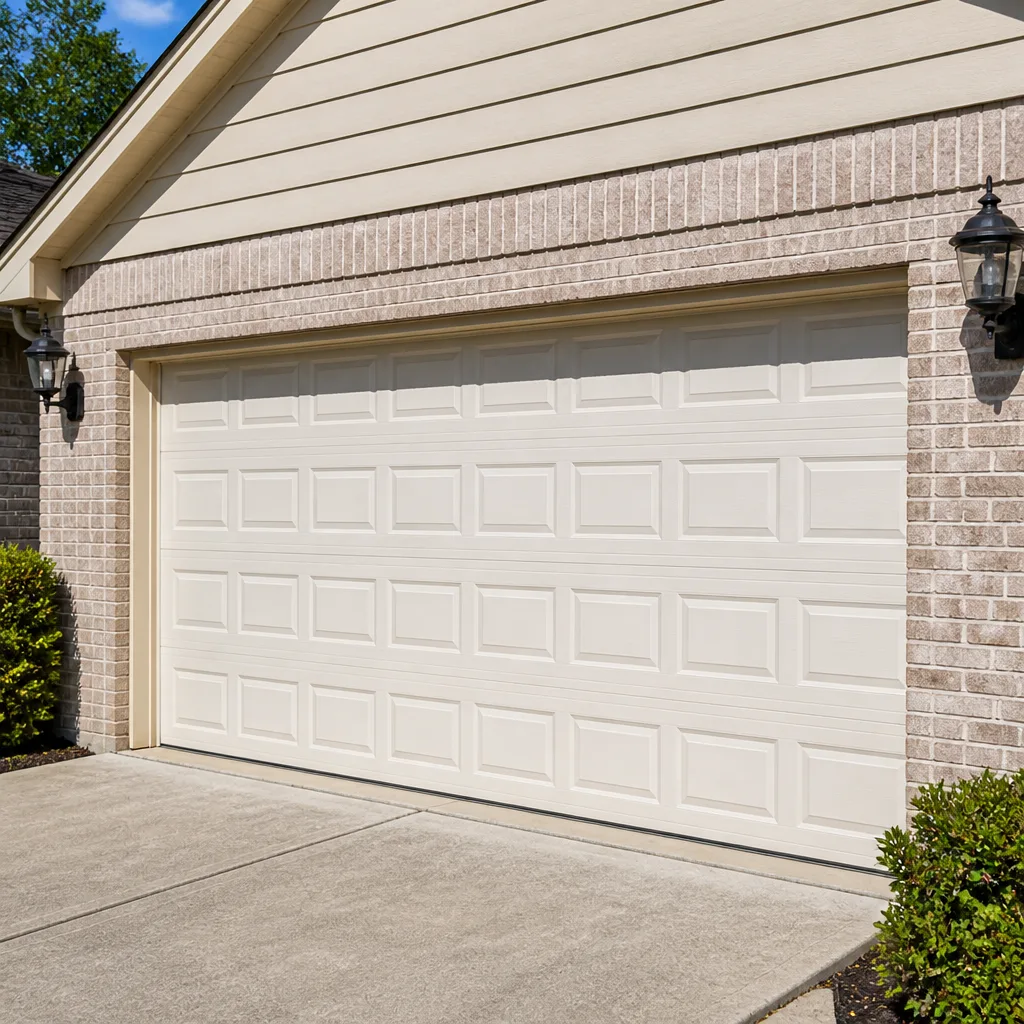 Raised-panel steel
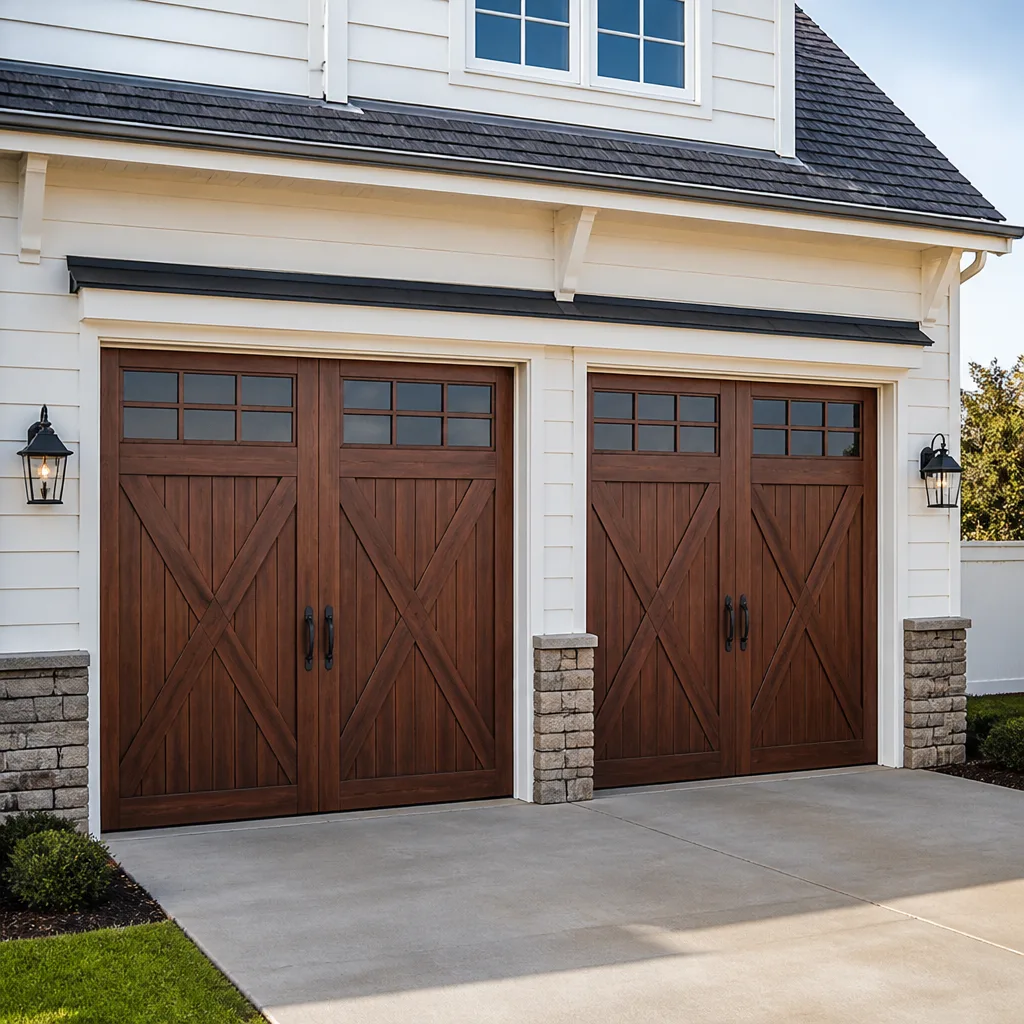 Carriage house
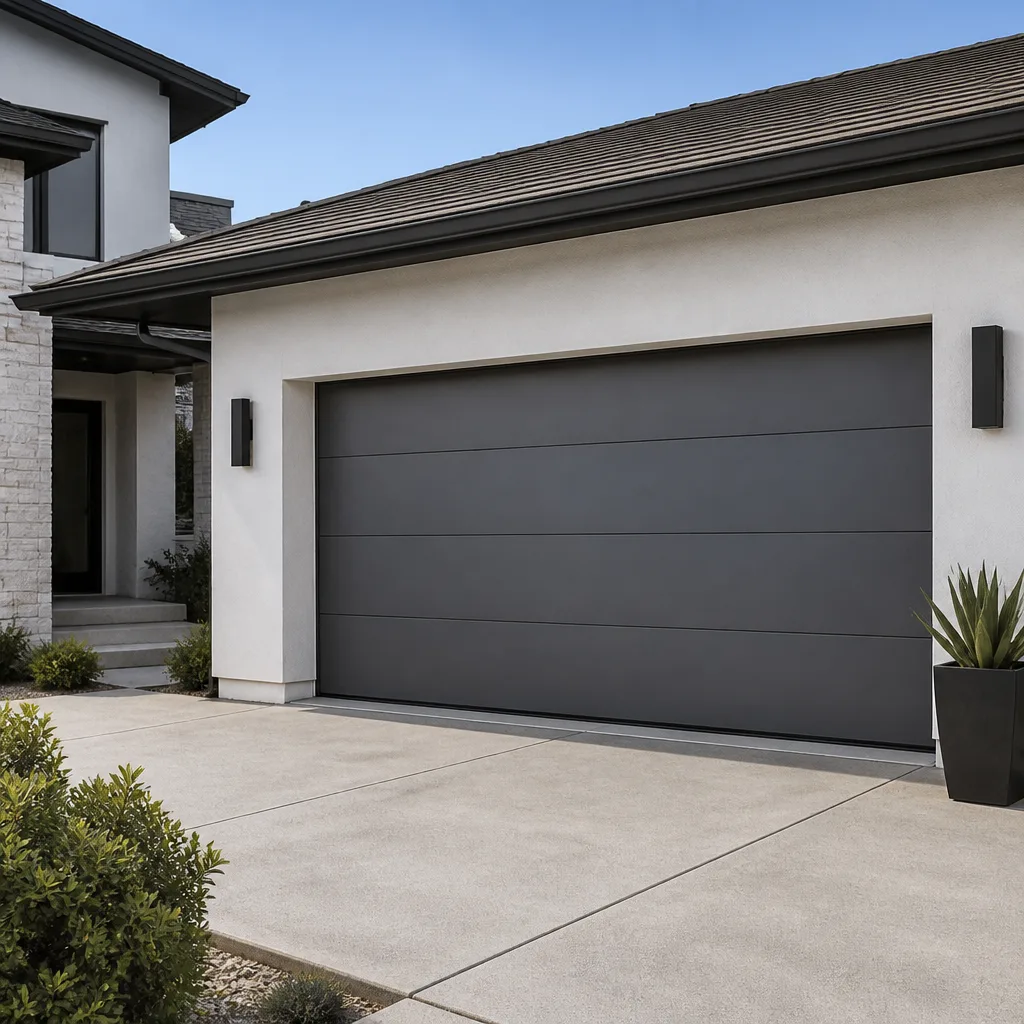 Modern flush
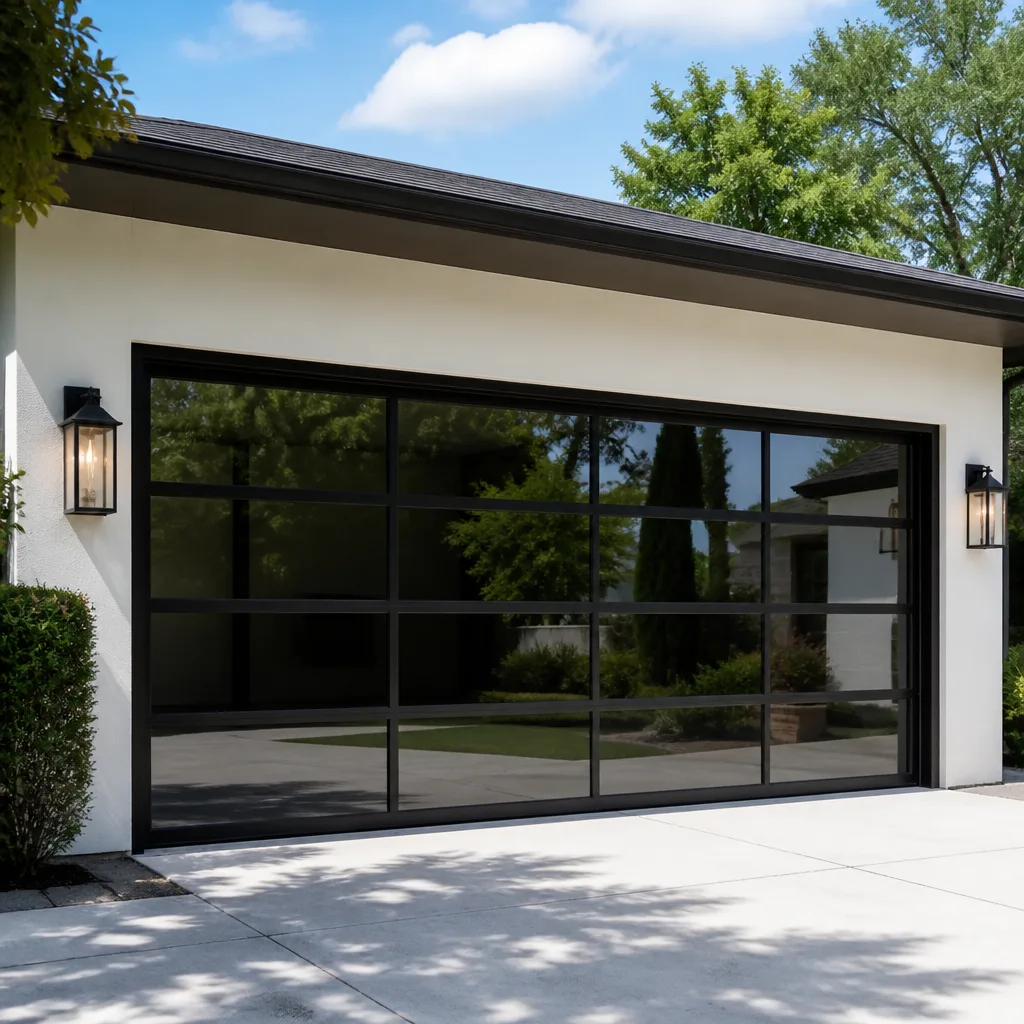 Full-view glass
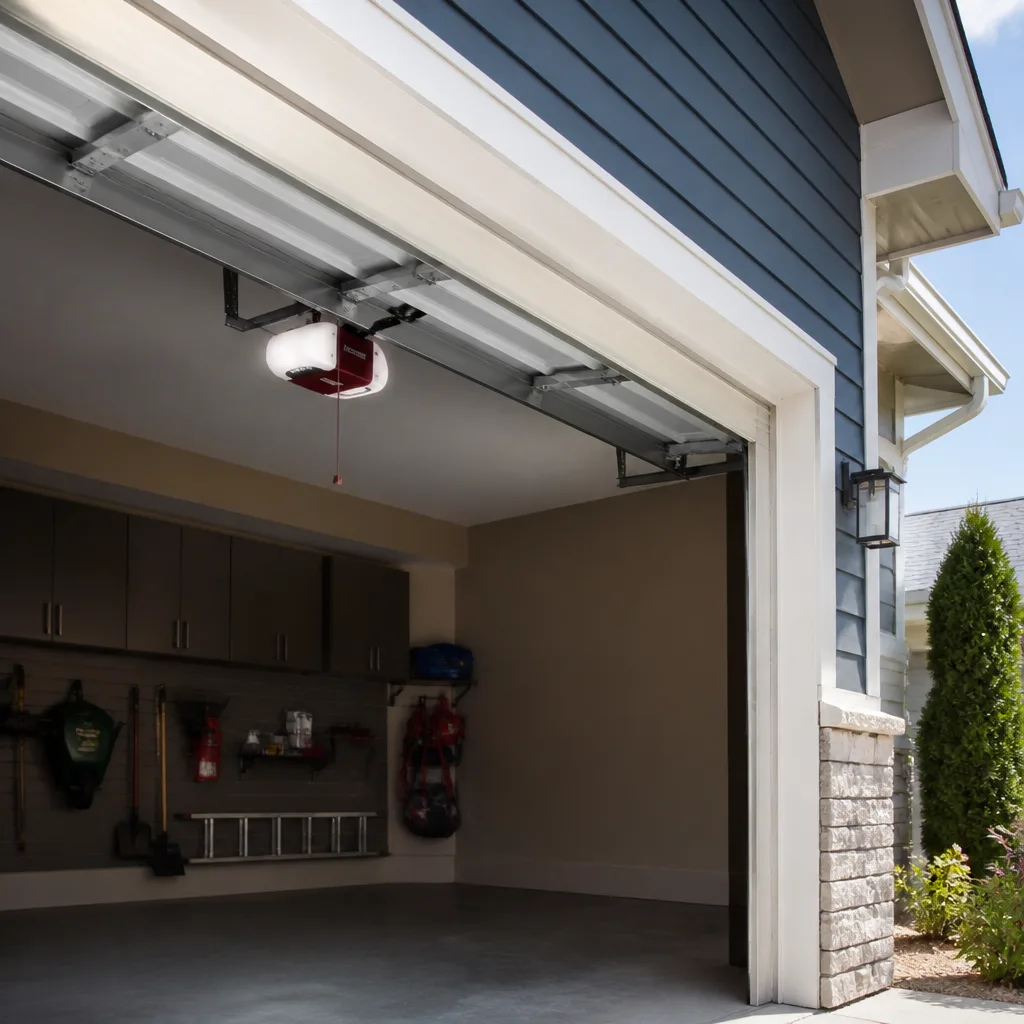 LiftMaster openers
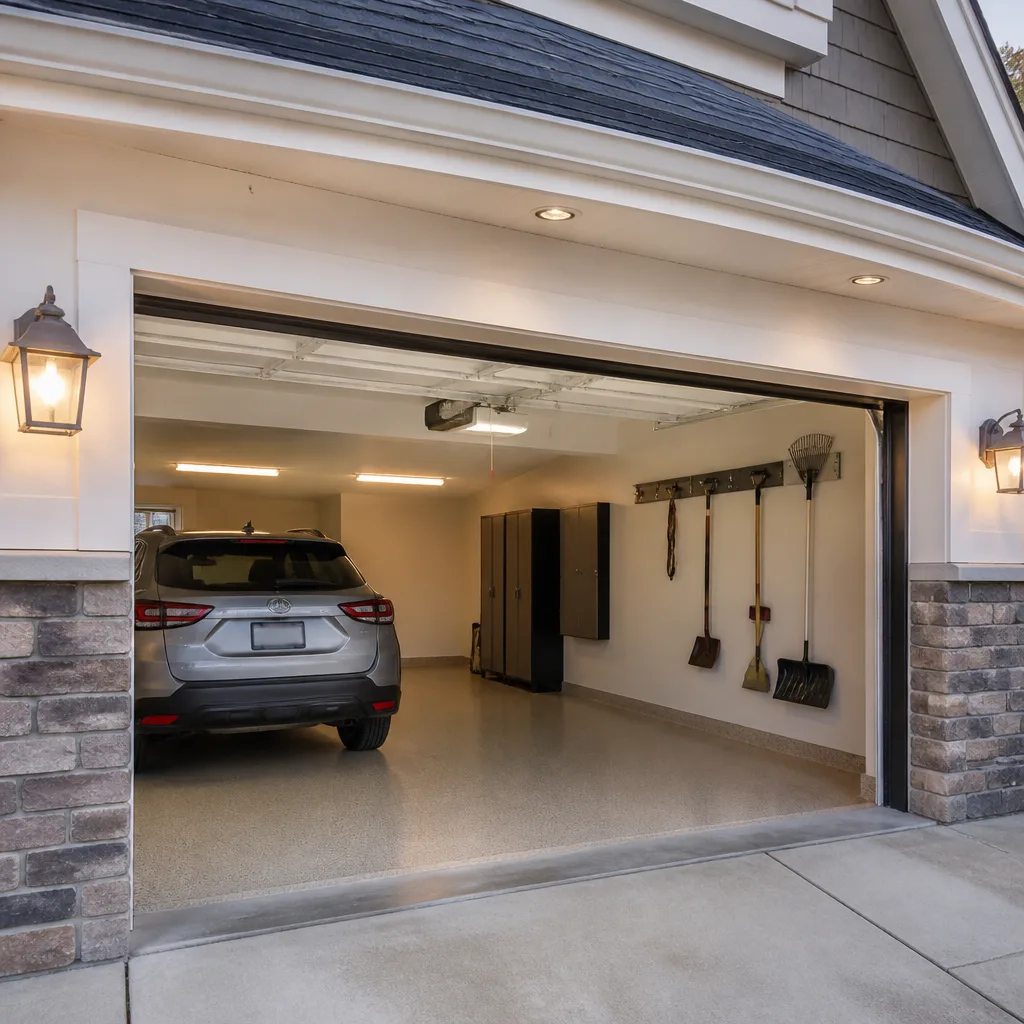 Chamberlain openers
Full 25-point door and opener safety check with every visit - springs, cables, rollers, tracks, and your LiftMaster or Chamberlain opener included
You get a price before we start. It does not change when the pro arrives.
Get your free estimateHow to Hire a Garage Door Contractor in New Britain: A Step-by-Step Guide
Most homeowners in New Britain assume the hard part is finding someone who can fix a garage door. The harder part is filtering out the ones who will fix it wrong. Three kinds of contractors show up in New Britain garage door searches: licensed specialists, general handymen who tack it on as a service, and manufacturer-tied dealers who steer every job toward their own brand whether or not it fits the door you already own. Only one of those will give you an unbiased diagnosis. This guide shows you the exact questions to ask on the first call, what Connecticut licensing does and doesn’t cover for garage door work, how to read a quote line by line, and what “warranty on labor” really means before you sign it.
Quick Answer
To hire a garage door contractor in New Britain, verify the company specializes in garage doors rather than general handyman work, ask whether they service your existing brand (Amarr, Wayne Dalton, Craftsman, Raynor, and others), confirm whether they hold a Home Improvement Contractor registration or a trade license as applicable, and get a written quote with line items for parts, labor, and any opener work before anything starts. On the first call, ask what they think is wrong before you tell them: a real specialist diagnoses from your description, not by guessing what you want to hear.
Styles & brands we work with
- Raised-panel steel
- Carriage house
- Modern flush
- Full-view glass
- LiftMaster openers
- Chamberlain openers
Table of Contents
- The Three Types of Garage Door Contractor in New Britain
- Questions to Ask on the First Call
- What Connecticut Licensing Covers for Garage Door Work
- Why a Manufacturer-Tied Installer Is a Conflict of Interest
- How to Read a Garage Door Quote
- What “Warranty on Labor” Actually Means
- Repair vs. Replace: How to Decide
- Common Mistakes to Avoid
- When to Call a Professional
- Frequently Asked Questions
The Three Types of Garage Door Contractor in New Britain
Walk through a typical New Britain neighborhood – the triple-deckers off Broad Street, the ranches out toward Stanley Quarter, the older two-car garages near Walnut Hill Park – and you’ll see the same door hardware aging on the same schedule. Those doors are worked on by three very different sets of people, and knowing which one answers your call changes everything about the outcome.
The single-trade specialist. Garage doors and openers only. They know the spring weight for a given door size, they can identify an Amarr or a Raynor panel profile on sight, and they carry the opener logic boards for LiftMaster, Chamberlain, Genie, and Craftsman systems. When something is wrong with the torsion assembly, spring repair is a named part of their work rather than a reluctant add-on.
The general handyman. Competent at many things, expert at none of them specifically. The problem is that garage door work has a few failure modes that don’t announce themselves. A spring wound to the wrong tension, a cable that’s marginally undersized, an opener force limit cranked up to compensate for a binding track – these all let the door run for a while. Then they don’t.
The manufacturer-tied dealer. Authorized to sell and install one brand, incentivized to recommend replacement with that brand. Great if you’ve already decided to buy that brand. Useless if you just need a diagnosis of what’s on your wall.
The practical takeaway for a New Britain homeowner is simple: if a company’s opening line is “we install X brand,” that’s an installation company. If it’s “tell us what the door is doing,” that’s a repair company. You need to know which one you’re hiring before you agree to anything.
Questions to Ask on the First Call
The first three minutes of the phone call separate specialists from everyone else. A specialist will ask you questions before answering any of yours. If you’re hearing a sales pitch, you’re not talking to a repair technician. At New Britain Garage Door Repair Co, we start every call with the door, not the price.
Ask these questions in this order:
- “Do you work on garage doors as your main trade, or is this one of many services?” Single-trade answers are better. A jack-of-all-trades is walking into your garage with less exposure to the failure modes specific to doors and openers.
- “Can you service my brand?” Name what you have – Amarr, Wayne Dalton, Clopay, Craftsman, Raynor, whatever is on your wall. A specialist who carries parts for a wide range of systems and openers will answer without hesitation. A brand-locked dealer will steer you toward replacing what you have.
- “What do you think is wrong, based on what I’ve described?” Ask this before you volunteer your opinion. If they can name a likely cause from the symptoms (slow opening, door reversing, loud bang, manual release not engaging), that tells you they’ve seen it before. If they say “we’ll need to come out and see,” that’s fine for a real diagnostic, but a blank response to a classic symptom is a warning sign.
- “Is this a repair or a replacement job in your professional judgment?” The answer should come with reasoning: age of the door, condition of the panels, spring life, opener compatibility. A single-word answer on either side is not a diagnosis.
- “Will you give me a written quote before any work starts?” If the answer is anything other than a clear yes, end the call.
The one question to deliberately not lead with is “how much?” A specialist will answer it eventually, but they’ll want to know what the door is doing first. That’s the sign of someone who’s priced enough jobs in New Britain to know that a $180 repair and a $3,000 replacement can sound identical on the phone.
What Connecticut Licensing Covers for Garage Door Work
Here’s the part most homeowners never hear: Connecticut licenses home improvement contractors through the Department of Consumer Protection, and a garage door company working within a residential property for compensation is generally required to hold a Home Improvement Contractor registration. That’s the baseline. Above that, the state issues trade licenses for specific specialties – electrical, plumbing, heating and cooling – and garage doors don’t fall neatly into any of those categories in every scenario.
What this means in practice:
- The registration matters. Ask any contractor you’re considering for their HIC registration number, and verify it on the state’s DCP lookup. A company that won’t give you one, or can’t, is not someone you want installing a door or replacing a torsion spring in New Britain.
- Electrical work on an opener may cross into licensed territory. If the job requires running new wiring to a garage, that portion falls under electrical licensing, and the company doing it should either hold the right credential or bring in someone who does. Most opener repairs don’t require new wiring, but if your quote includes a line item to add a receptacle or run a circuit, ask how that electrical portion is being handled.
- Insurance and bond are separate from the license. A registered contractor carries general liability insurance and a bond as part of the registration. Verify it. Ask for a certificate or proof of coverage. If the contractor won’t produce it, the registration may not be current.
The gap where bad work hides is between the licensed and unlicensed ends of the market. A handyman with no HIC registration who replaces your spring has no bond, may have no general liability coverage on that job, and the state has no complaint pathway that protects you to the same degree. That’s not abstract. If the spring fails or the door comes down and damages something, you’re the one negotiating.
The practical rule: for any garage door job beyond the very smallest adjustment, work with a company whose registration you can look up and whose insurance you can verify. For safety-critical repairs specifically, we won’t send anyone who isn’t operating under those standards.
Why a Manufacturer-Tied Installer Is a Conflict of Interest
When you need a real diagnosis – not an installation quote – a manufacturer-affiliated company has a structural incentive that works against you. The company’s business is built on installing its brand. If your door can be repaired, an installer likely makes less money than a replacement, and if your door needs replacing with a different brand than they carry, the installer’s relationship with the manufacturer is strained. Neither outcome serves the installer’s economics.
That doesn’t make brand-tied installers dishonest. It makes them a poor source of unbiased judgment about repair versus replacement, and it makes them the wrong call if your door is a Craftsman or a Raynor or an Amarr and you want someone who knows that system, not someone who’ll swap it out.
A multi-brand specialist – someone who works across the major door brands and the major opener drive systems – has no favorite brand to sell you. They diagnose what’s there, they repair what’s repairable, and when they do recommend replacement, they recommend the door that fits your house, your opening, and your budget. If you need replacement work, they can do it; if you need a garage door repair, that’s the primary call and the first option they’ll consider.
In New Britain specifically, where many homes still have original doors from the 1950s through the 1990s, the brand-tied approach often means replacing a serviceable Amarr or Wayne Dalton door that only needs a new spring and a set of rollers. A multi-brand company sees that door as a repair opportunity first. That’s the whole difference.
How to Read a Garage Door Quote
A competent garage door quote is short and particular. A vague one is long and friendly. In our experience writing estimates for New Britain homeowners, the quote tells you as much about the contractor as the contractor’s phone manner does.
Here’s what a good quote contains:
- Part numbers or exact specifications. For a spring replacement, that means the spring type (torsion or extension), wire gauge, inside diameter, and length. For a panel replacement, the panel profile and manufacturer. For an opener, the model.
- Line items by part and by labor. Not a bundled “spring replacement – $X.” The part is one number, the labor another. If a company refuses to break it out, ask why.
- Any additional work the diagnosis shows is needed. Rollers, cables, hinges, bottom seals – called out separately. Replacement of a matched pair of springs is a common line item, not a surprise fee.
- Where the price came from. If the parts are being sourced from a distributor, list the distributor. If the work involves a substitution from what was quoted, that should be cleared with you in advance.
Red flags include:
- An “inspection fee” that turns into a diagnosis you can’t get in writing.
- A quote that says “repairs as needed” without a list.
- A price that changes between the phone and the driveway with no new diagnosis to explain it.
- A quote that only offers a replacement path when a repair path exists.
Ask for the quote in writing before any work begins. The price you agree to on paper is the price. If the job reveals something the diagnosis missed – a cracked panel behind the trim, a bent track – that should be a separate conversation and a separate approval, not a line added at the end. That’s the biggest fear most homeowners have, and the only real protection is a written estimate with a clear scope.
If you’re having trouble getting an honest quote for spring work, read our guide to garage door spring repair first – it explains the parts, which helps you spot a quote that’s missing them.
What “Warranty on Labor” Actually Means
Almost every garage door contractor offers some form of warranty. Very few explain, in writing, what it covers and what voids it. The distinction matters when something goes wrong six months after the job, and it’s the single most-skipped question in contractor selection.
Ask these three things, and get the answers in writing:
- The labor warranty term and what it covers. Thirty days, ninety days, a year – the number is less important than the scope. Does the labor warranty cover re-work on the same failure, or does it cover any labor on the door going forward? Those are wildly different commitments.
- What voids it. Common void conditions are working on the door yourself after the repair, having another company touch the door, or ignoring a problem that the warranty would have covered. If the terms exclude ordinary use and ordinary wear, the warranty is narrower than it sounds.
- What happens if the failure is on the part. Most parts carry their own manufacturer warranty. The installer’s labor warranty is separate. Confirm both apply and confirm how a claim is handled – who you call, and what the process looks like.
A company that puts wage details into writing and sticks to them is running a real warranty. A company that verbally promises “we stand behind our work” and then hedges when you call is running a sales tactic. There’s no way to know which you’re getting without asking, on the first call, and reading the answer carefully.
Our own approach: we put the labor warranty term and the exact scope on the written estimate, so there’s nothing to remember and nothing to argue about later. That’s the minimum any New Britain homeowner should accept from anyone.
Repair vs. Replace: How to Decide
The repair-or-replace conversation is where the conflict of interest we described above does its damage. A brand-tied installer recommends replacement more often; a specialist with nine times out of ten can repair the door you have. That’s not a marketing slogan, it’s how the economics work.
Repair usually wins when:
- The door panels are structurally sound and only the hardware needs attention – springs, cables, rollers, hinges, bottom seal.
- The opener is the problem and the door itself is fine. garage door opener repair on a LiftMaster, Chamberlain, Genie, or Craftsman unit often costs a fraction of replacing the opener, and on older systems it’s frequently just a logic board or a limit switch.
- The door is under 15 years old and the failure is mechanical, not structural.
- The opener is compatible with the door you have. If the door opens and closes smoothly by hand, the opener was sized correctly.
Replacement is more often the right call when:
- Panel damage is structural – a bent section that can’t be straightened without compromising the door’s travel.
- The door is badly out of level in a way that suggests the track or the framing has moved, not just settled.
- The opener technology is obsolete and the door itself is pulling at the opener’s limits.
- You’re planning to sell and the door is the first thing a buyer notices.
If you get to the replacement conversation, ask for two or three options with honest trade-offs: door brand, panel design, insulation level, opener model. A specialist should help you choose based on the house you actually have in New Britain, not the door that makes the manufacturer’s quarterly numbers.
See the difference
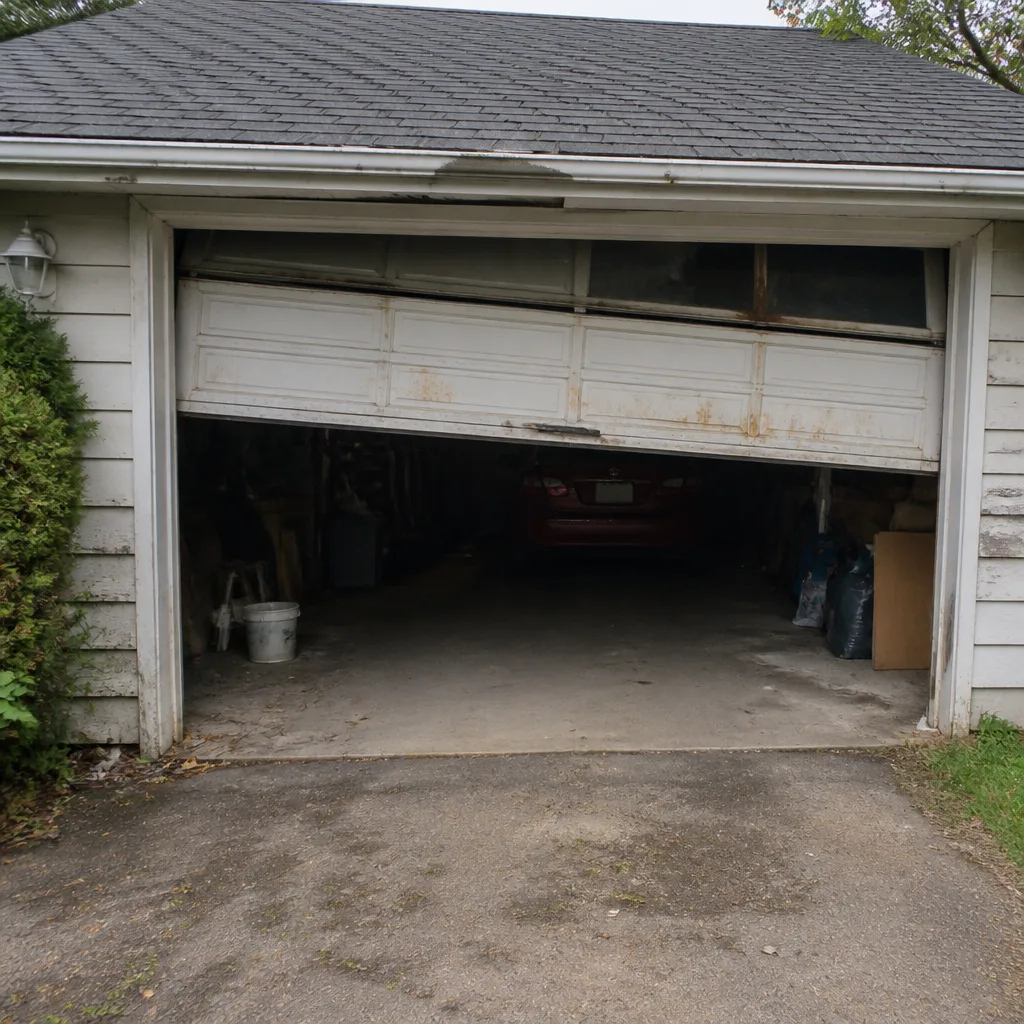 Before
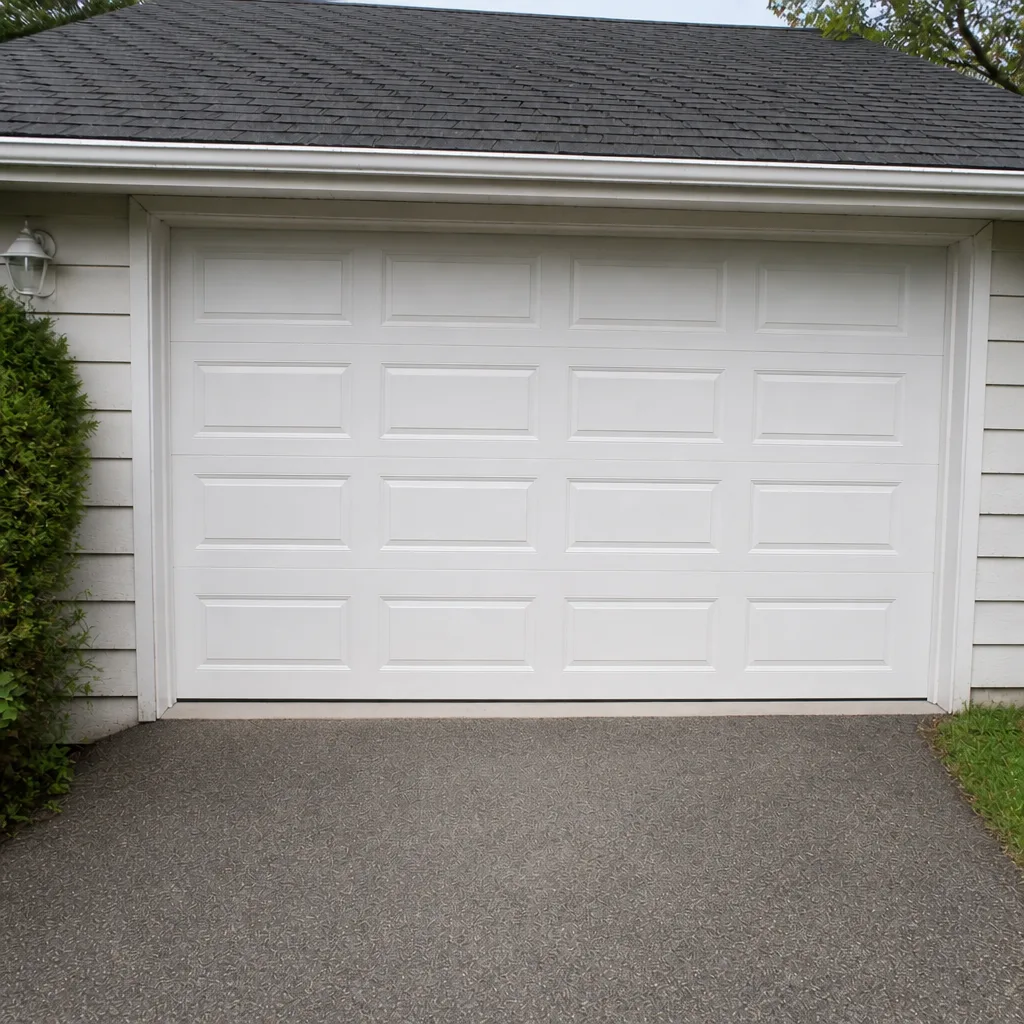 After
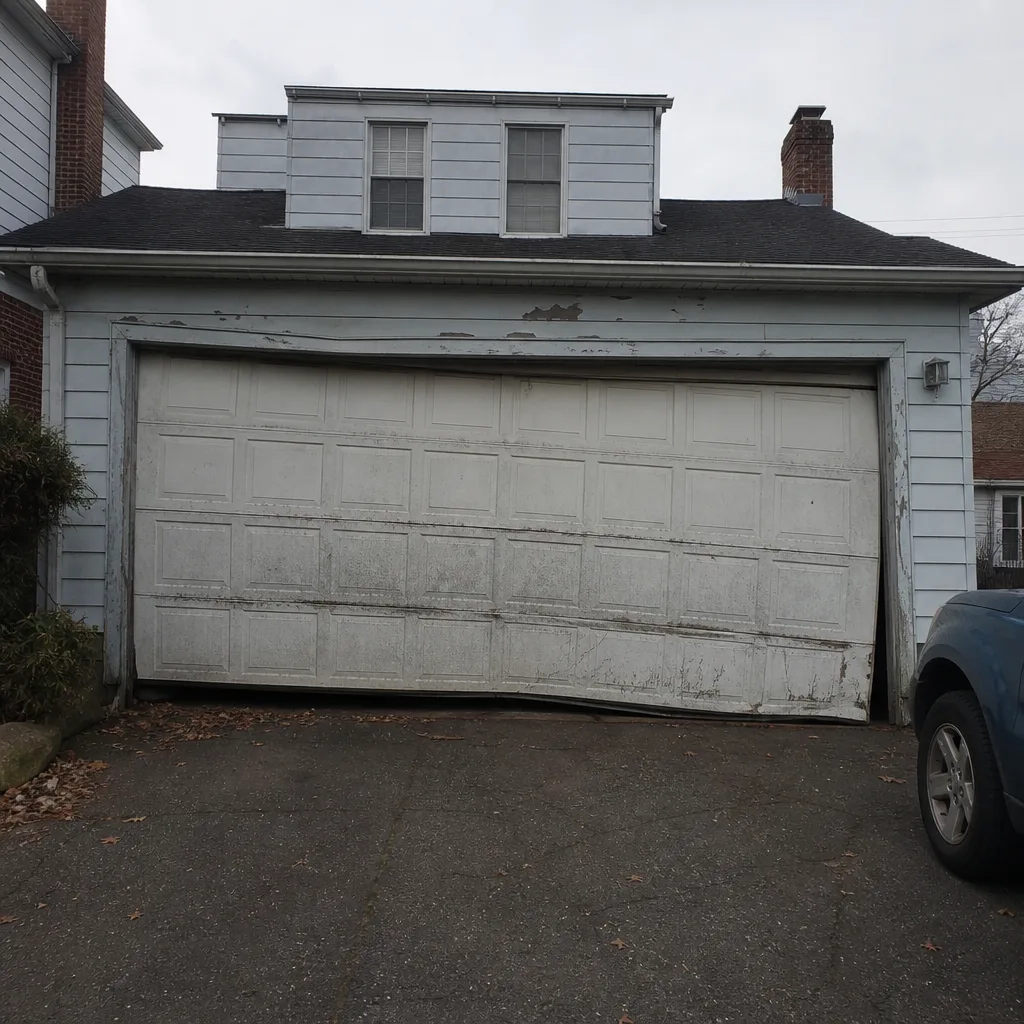 Before
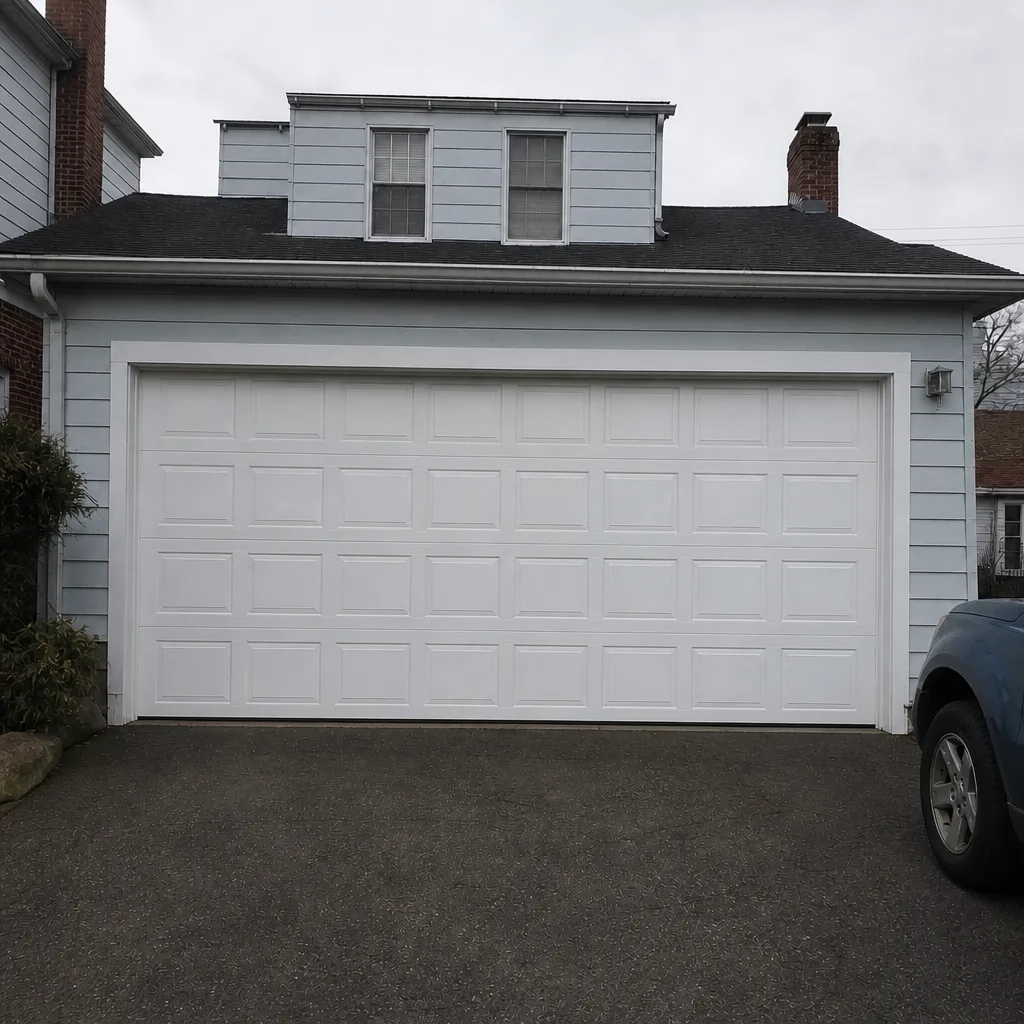 After
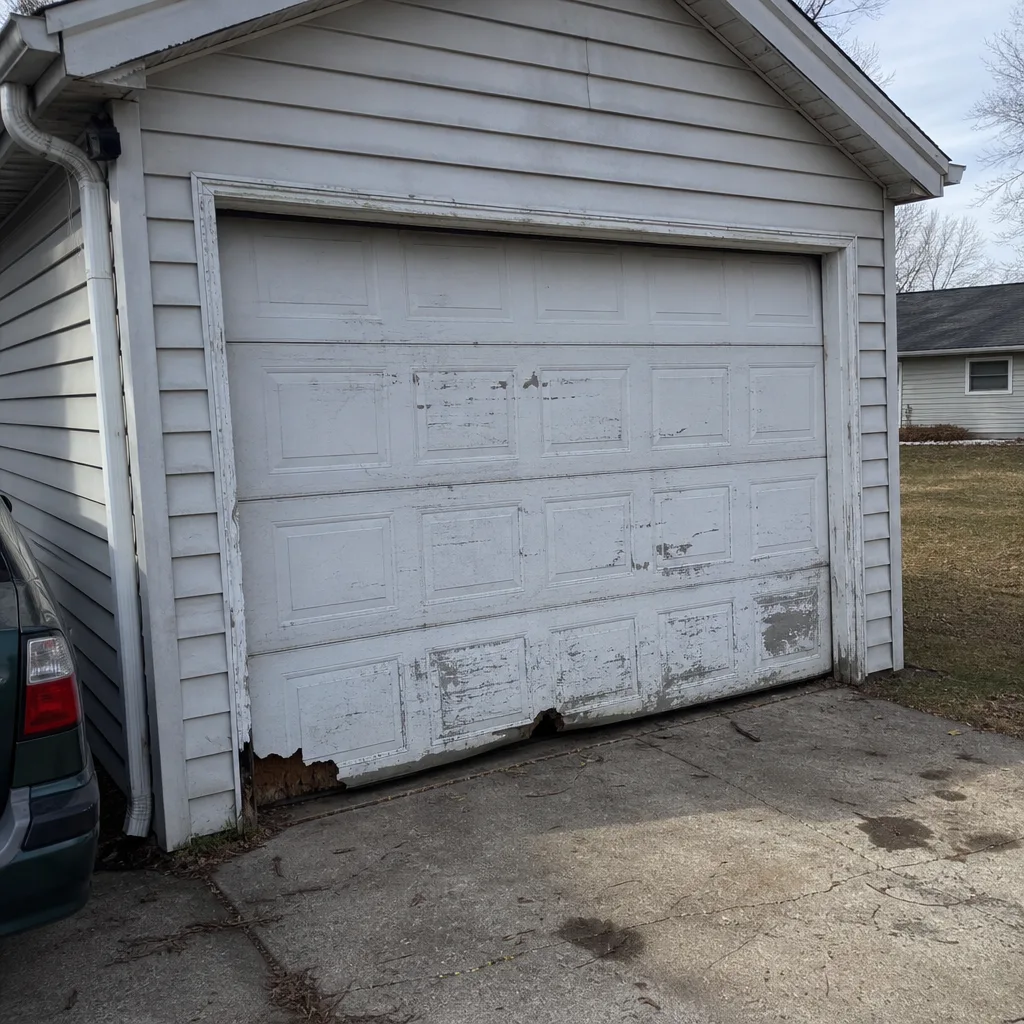 Before
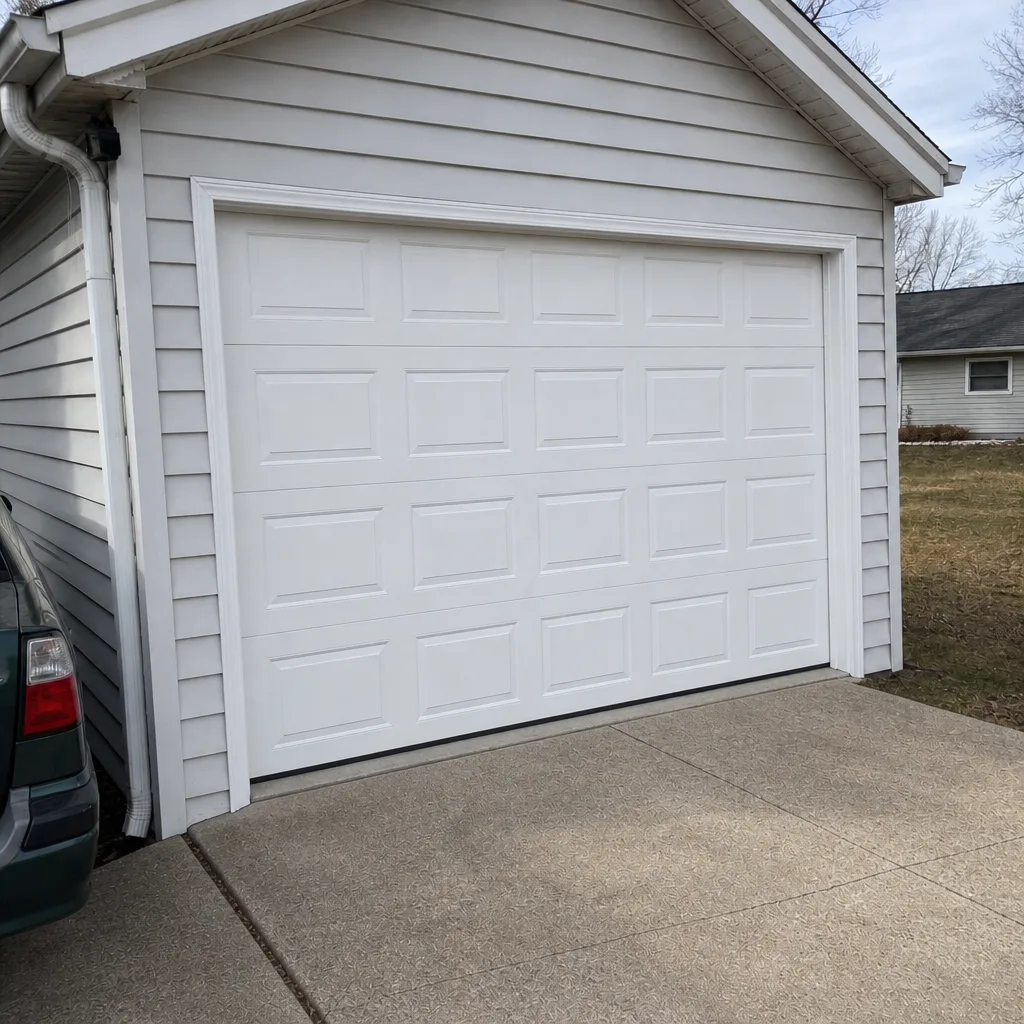 After
Common Mistakes to Avoid
- Hiring the first person who returns a call. In New Britain, garage door demand spikes in the spring and around storm season. Fast response is good, but fast response without a diagnosis is not. Ask the questions first, then accept the appointment.
- Letting price lead the conversation. Two quotes that differ by a few hundred dollars on a spring or opener replacement can contain wildly different parts. Ask what’s included, not just what it costs.
- Ignoring the licensing gap. A handyman with no Home Improvement Contractor registration is not competing on the same terms as a licensed repair company. If you hire them, you’re the one carrying the risk.
- Accepting a replacement recommendation without a second diagnosis. If a company opens with “you need a new door,” get a second opinion. A real diagnosis tells you what’s wrong before it tells you what to buy.
- Signing a quote with no line-item breakdown. A single lumped price hides parts substitution. Insist on a written, itemized estimate before any work begins.
- Assuming a warranty is a guarantee. Ask what the labor warranty covers and what voids it. If the answer isn’t in writing, it doesn’t exist.
- Calling an emergency garage door repair company and getting a generalist. When the door won’t close or a spring has snapped, you need someone with experience in the exact system you have. Ask what brands they work with before you book.
When to Call a Professional
Some garage door problems are annoyances; others are genuinely unsafe to leave for another day. Call a professional if a spring has broken or the door suddenly got heavy to lift, if the door is stuck open or won’t close completely, if you’ve heard a loud bang from the torsion bar, if a cable has come loose or gone slack, or if the door reverses partway through its travel. Call immediately if you see fraying on the torsion cable – that’s a loaded component and it can fail without warning, so keep the door in its down position and stay clear of the assembly until a trained technician can look at it.
If a door fails outside business hours and you’ve got a car trapped or a security gap you can’t live with, we offer emergency garage door service for exactly that scenario – the door that can’t wait. New Britain Garage Door Repair Co offers free estimates in New Britain – call (833) 468-5774 and we’ll get you sorted.
Frequently Asked Questions
Ask for the company’s Home Improvement Contractor registration number and verify it through the Connecticut Department of Consumer Protection lookup. A registered company carries the bond and insurance that back the work. If a contractor can’t produce a registration number or proof of insurance, don’t hire them for a garage door job in New Britain, no matter how small.
Hire a specialist for anything involving springs, cables, torsion assemblies, or opener electrical work. A handyman may be fine for a bottom seal replacement, but garage door hardware carries significant stored energy and a mistake there can cause injury or a door failure. For a spring repair, an opener problem, or a panel replacement, call a garage door specialist.
A Home Improvement Contractor registration is the baseline credential for residential contractors in Connecticut. A trade license applies to electrical, plumbing, and HVAC work and is only relevant for a garage door job when the scope includes new electrical wiring for an opener. Most garage door repairs don’t involve new wiring, but ask how any electrical portion of the job will be handled.
A manufacturer-affiliated installer has an economic incentive to recommend replacement with the brand they sell. A multi-brand specialist diagnoses the door in front of them and recommends repair when repair is possible. For repair vs. replacement decisions specifically, an independent specialist gives you a cleaner judgment call.
A written quote should list each part by specification and separate the labor cost from the parts cost. It should also identify any additional recommended work – rollers, cables, bottom seals – as separate line items. Any part substitution should be cleared with you in advance, and the agreed price should not change without a new diagnosis and your approval.
Labor warranty means the contractor will re-do certain work if the repair fails within the warranty period. The scope matters more than the term. A narrow labor warranty covers only re-work on the original failure; a broader one may cover labor on any subsequent issue on the same door. Ask what’s covered, what voids the warranty, and get the terms in writing.
The Bottom Line
Hiring a garage door contractor in New Britain comes down to three moves: verify the credential, ask the diagnostic questions before you ask the price, and get a written quote before anyone touches the door. A single-trade specialist who works on many brands gives you the cleanest diagnosis; a brand-locked installer will steer you toward replacement whether or not that’s the right call; a general handyman is the cheapest option until something goes wrong. If you can filter those three categories in the first phone call, the rest of the process protects itself.
We’re a garage door specialty company in New Britain – spring, opener, panel, or full door, and we work on the system you already have. Our technicians have up to 14 years of experience, we service LiftMaster, Chamberlain, Genie, Clopay, Amarr, Wayne Dalton, Craftsman, and Raynor systems, and we handle both repair and installation when a repair turns into a replacement conversation. Estimates are free, and the price is quoted and agreed before any work starts.
Call (833) 468-5774 for a free estimate on your garage door repair, opener repair, spring replacement, or new installation in New Britain.
Let’s Get Your Door Fixed
For a free estimate in New Britain, call New Britain Garage Door Repair Co at (833) 468-5774. Tell us what the door is doing – not what you think it needs – and we’ll tell you honestly whether it’s a repair or a replacement, in writing, before anything starts.
Written by the team at New Britain Garage Door Repair Co.